Trying to decide between a condo or a house in Fair Lawn? You are not alone. With prices, taxes, HOA fees, and resale trends to weigh, the best choice comes down to how you want to live and what you want to spend each month. In this guide, you will learn how Fair Lawn’s market works, what each property type includes, and how to compare true monthly costs so you can buy with confidence. Let’s dive in.
Fair Lawn market at a glance
Fair Lawn sits in a mid to upper price band for Bergen County. Recent snapshots show typical single-family values in the mid to high $600k range, while many condos trade closer to the low to mid $300k range. That gap reflects the land value you get with a house versus an attached unit.
Most of Fair Lawn is single-family. Local housing data indicates roughly 75 percent of homes are detached houses, with a smaller share of townhouses and multifamily buildings. You will see postwar capes and colonials on modest lots, plus a few planned and condo communities that offer lower maintenance living. Local ACS summaries show this detached-home majority.
Transit and daily convenience are strong. The Radburn and Broadway rail stops and express bus routes make commuting to NYC feasible, which supports demand across both houses and condos. You can review station and parking details on NJ TRANSIT’s Radburn page.
What you get with each option
Condos and townhouses
In Fair Lawn, condos and townhouses are clustered in specific developments. These homes often have a lower entry price, predictable exterior upkeep handled by the association, and community amenities. Expect monthly HOA dues that vary by age of building, services, and amenities. You trade a private yard for shared green space and a simpler maintenance routine.
Single-family houses
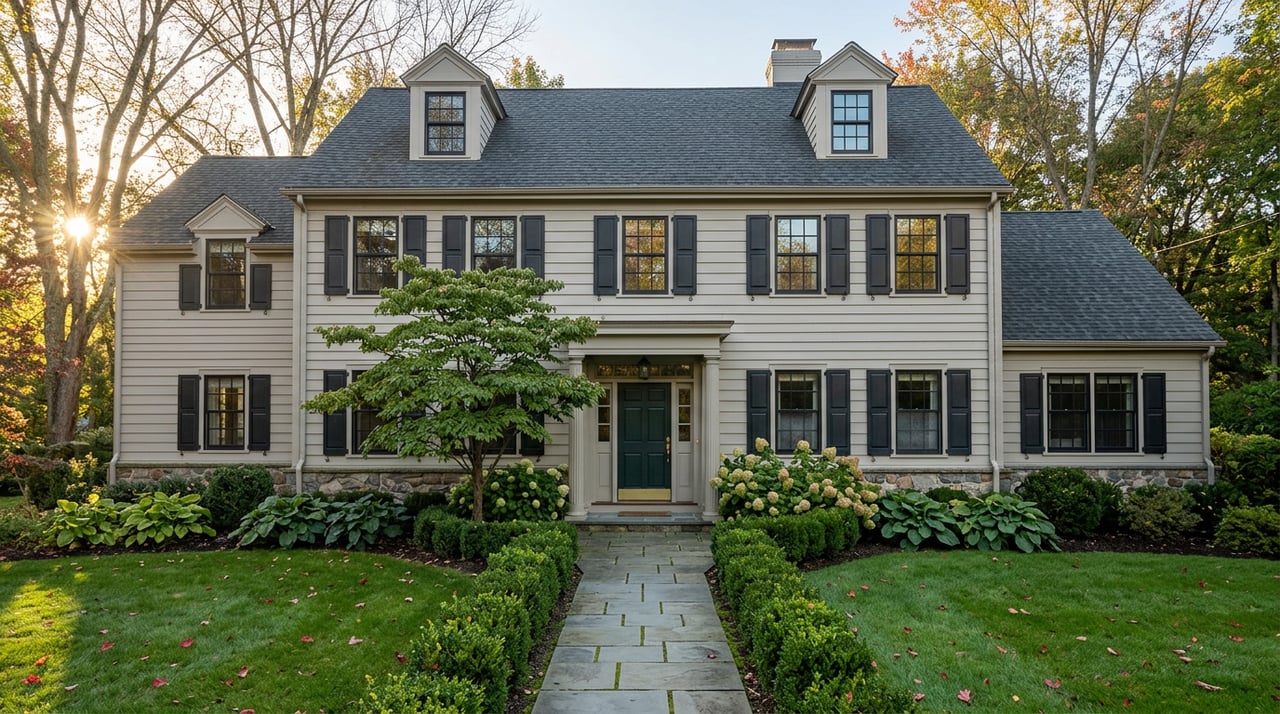
Houses offer private yards, more privacy between neighbors, and full control over improvements. You take on all exterior upkeep, from the roof and siding to the driveway and landscaping. Purchase prices and taxes are usually higher than condos, but you avoid HOA dues and some buyers value the long-term equity tied to land.
Radburn’s unique setup
Radburn is a historic planned community inside Fair Lawn with homes organized around interior parks and paths. Association fees support common green spaces and shared amenities, and the neighborhood design shapes expectations about yards and privacy. For a deeper look at Radburn’s model, read this local overview.
The real monthly cost
Sticker price is only part of the decision. To compare apples to apples, look at taxes, HOA dues, and a monthly set-aside for maintenance. Below is an example using common local ranges to illustrate how costs can stack up. Numbers are estimates for illustration, excluding mortgage, insurance, and utilities.
| Property type | Example price | Est. annual taxes at 2.5% | HOA dues (monthly) | Maintenance set-aside (monthly) | Estimated carrying costs per month |
|---|---|---|---|---|---|
| Condo | $340,000 | $8,500 | $350 | $125 | ~$1,183 |
| Townhouse | $520,000 | $13,000 | $400 | $150 | ~$1,633 |
| Single-family | $690,000 | $17,250 | $0 | $300 | ~$1,738 |
How to use this:
- Condos show lower taxes and price, but HOA dues and possible special assessments matter.
- Townhouses can sit between condos and houses in both price and fees, depending on the development.
- Houses avoid HOA dues but carry higher taxes and full upkeep.
Taxes, HOA fees, insurance
Property taxes in context
Bergen County towns commonly have effective property tax rates around 2.2 to 2.6 percent. Fair Lawn’s combined effective rate is often cited near 2.5 percent, which can place a median-priced house’s annual bill in the low to mid five figures. Because taxes are based on assessments that can change, review the borough’s tax bill history for any home you consider. For county context, see this Bergen tax summary.
HOA dues and what they cover
Condo and townhouse fees in Fair Lawn commonly fall around $250 to $600 per month. Dues may include exterior maintenance, snow and trash removal, landscaping, building-level insurance, and sometimes amenities. Ask for the exact breakdown and confirm what is not included, like utilities or internet.
Insurance basics
- Condo or townhouse: you typically carry an HO-6 policy that covers the interior of your unit and personal liability. The association insures common elements and the building shell.
- Single-family: you carry an HO-3 or HO-5 policy that covers the full structure and your contents. Replacement cost and any flood history can affect premiums, so review parcel-level risk with your insurer.
Maintenance and rulebook checks
Condo or townhouse due diligence
Before you buy into an association, request and read:
- Master deed, bylaws, rules and regulations
- Current budget, reserve study, and last 12 months of board and membership meeting minutes
- Insurance certificates and any disclosures about pending litigation
In New Jersey, the Condominium Act and state case law guide what the association maintains versus what unit owners must handle. Reviewing the documents above helps you spot reserve funding gaps, special assessments, rental caps, or pet rules. For context on association responsibilities and disputes, see this New Jersey case summary on common element obligations.
Key questions to ask the HOA:
- What percent of units are owner-occupied versus rented?
- Any special assessments in the last 5 to 10 years? Any planned?
- Is there a long-term capital plan? How often are reserve studies updated?
- Is management on site or self-managed?
House buyer checklist
When you evaluate a single-family home, focus on big-ticket items and history:
- Roof, siding, windows, HVAC, water heater ages
- Sewer or septic status, past water intrusion or drainage issues
- Lot grading, trees near the structure, and driveway condition
- Permit history for renovations and additions
- Three years of property tax bills to gauge trends
Ask your inspector to map a 10-year capital replacement plan so you can budget for upcoming items like roofing or HVAC.
Lifestyle, parking, and amenities
Privacy and yard
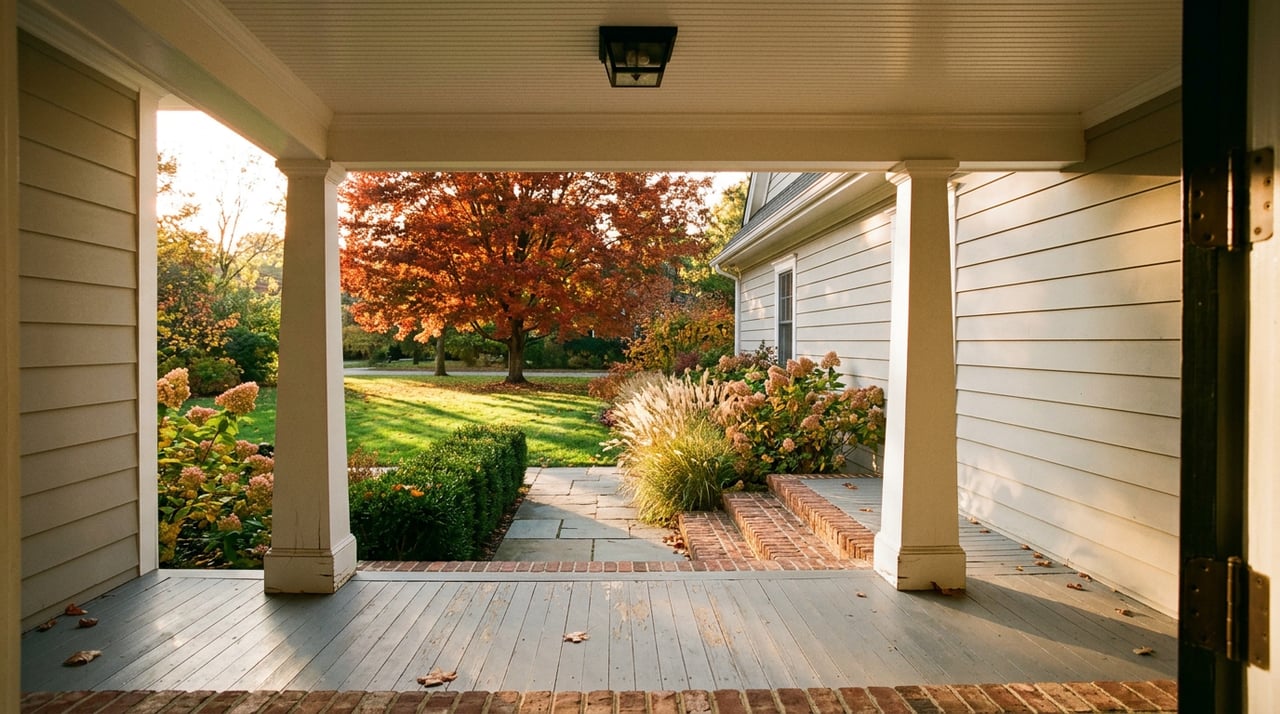
Houses offer a private yard and traditional separation from neighbors. Condos and townhouses replace private yards with shared green space and lower exterior upkeep. In Radburn, many homes back to interior parks and paths, which changes how you use outdoor space.
Parking and storage
Most houses include driveways and garages. Condo communities may offer assigned spaces or garage parking. Confirm the number of spaces, guest parking rules, and whether street parking requires permits.
Amenities tradeoffs
Some condo developments include pools, gyms, or community rooms that are factored into dues. Ask what is included, then compare that to the cost of maintaining similar features at a house.
Resale and liquidity
Market cycles can affect condos and houses differently. National reports show periods when single-family prices and sales volumes outpace condos, driven by demand patterns and financing. For context, review the latest NAR existing-home sales trends. Locally, days on market and list-to-sale dynamics can vary by neighborhood and building type, so use current comps when you are close to writing an offer.
What tends to support resale in Fair Lawn:
- Proximity to transit, including the Radburn station, is appealing to commuters.
- Transparent, well-funded HOAs with clear capital plans help condo and townhouse resale.
- Public school district information and third-party ratings can inform buyer demand. Explore a neutral district snapshot on GreatSchools, then confirm school assignments directly with the district.
Who tends to choose what
Commuter families
If you value transit and a bit more space, a single-family near rail or express bus routes can make sense. Some buyers choose a townhouse near transit for easier maintenance.
Downsizers and low-maintenance buyers
If you want to shed exterior upkeep and value turn-key living, condos and townhouses are strong options. Balance lower taxes and simpler maintenance against HOA dues and association rules.
Investors
Fair Lawn has pockets of multifamily stock and some condo communities that allow rentals, subject to rules. Review rental restrictions, financing parameters, and HOA policies before you underwrite a purchase.
Neighborhood and complex callouts
- Radburn. Planned community with interior parks and association-maintained common areas. Read a local overview of Radburn and review association documents during due diligence.
- Landmark Lane and nearby condo or townhouse clusters. Representative communities where you will find attached homes at lower entry prices than many single-family houses. Confirm HOA scope and fees.
- Warren Point area. A pocket where attached options may appear alongside single-family homes. Compare HOA dues and parking with nearby single-family alternatives.
How to decide
Use these steps to make a clear call:
- Define your must-haves. Bedrooms, baths, parking, commute time, and outdoor space.
- Map your monthly budget. Include taxes, HOA dues if any, and a maintenance set-aside.
- Compare three real options. One condo or townhouse, one mid-priced house, and one stretch house. Ask your agent for fresh comps and examples.
- Check the paperwork. For condos and townhouses, review the master deed, bylaws, budget, reserve study, and meeting minutes. For houses, review permits and major system ages.
- Think resale. Proximity to transit, association health for condos, and objective school information can all influence buyer demand later.
If you want a numbers-first walkthrough tailored to your price range and timeline, we are here to help. Reach out to Links NJ to compare live listings, real HOA budgets, and neighborhood-level comps.
FAQs
What is the typical price difference between condos and houses in Fair Lawn?
- Many condos trade in the low to mid $300k range while single-family homes often sit in the mid to high $600k range, reflecting the land value that comes with detached homes.
How do HOA rules affect financing and resale for Fair Lawn condos?
- Lender approval and buyer demand can hinge on owner-occupancy ratios, reserve funding, rental caps, and litigation history, so review HOA documents and ask for current data.
Are property taxes usually higher on houses than condos in Bergen County?
- The effective tax rate can be similar, but higher house values often result in larger annual tax bills than many condos at lower prices.
What should I review before buying a condo or townhouse in New Jersey?
- Read the master deed, bylaws, rules, budget, reserve study, last year of meeting minutes, insurance certificates, and any litigation disclosures to understand costs and responsibilities.
How does Radburn differ from other Fair Lawn neighborhoods?
- Radburn is a planned community with interior parks and association-maintained common areas, which can change yard expectations, walkability, and the structure of association fees.