Thinking about fixing up your Highland Park home before a spring sale? You are not alone. Many sellers wonder which projects will actually pay off and which ones will just eat time and budget. In this guide, you will learn the specific, cost-smart updates that resonate with Highland Park buyers, when to skip bigger renovations, and how staging and strong marketing can stretch every dollar. Let’s dive in.
Why cosmetic updates work in Highland Park
Highland Park has an established housing stock with classic details that buyers love. Many shoppers want move-in readiness paired with original character. That means fresh, clean, and updated without losing charm.
You will likely see a range of buyers, including NYC and regional commuters, Rutgers-area employees and families, and downsizers. Across these groups, the same themes show up: well-kept exteriors, light and bright interiors, and updated kitchens and baths. Spring is busy here, so small touchups that shine in listing photos can boost interest fast.
If you plan any work beyond simple cosmetic changes, check local permit rules first. The Borough’s site is the best place to confirm what needs approval, from electrical additions to exterior changes. Review the Highland Park Borough website before you start.
High-ROI updates for spring
Focus on projects that improve first impressions, brighten rooms, and reduce buyer worries. These are the updates that often deliver strong perceived value for a reasonable cost. For national project ROI comparisons, use the annual Remodeling Cost vs. Value report as a reference.
Curb appeal that stops the scroll
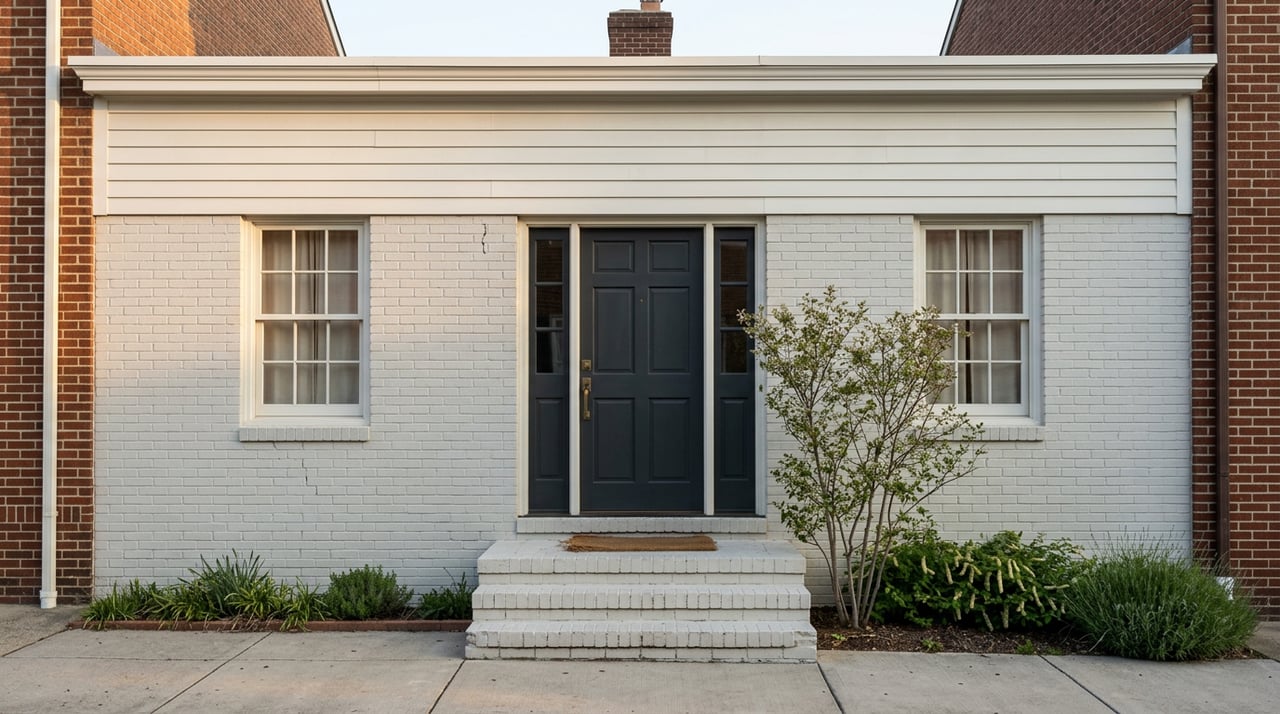
First impressions happen online and at the curb. Keep it simple and crisp.
- Power wash siding, walks, and steps. Clean sells.
- Fresh paint or stain on the front door. New hardware and matched house numbers help.
- Update porch and entry lighting. Warm, even light looks great in twilight photos.
- Trim shrubs, edge beds, add a few potted seasonal plants.
- Refresh a worn garage door with paint or new hardware. Cost vs. Value often highlights garage and front door improvements as high-return items.
Neutral paint for a move-in feel
A whole-house touchup or a focused repaint of main rooms can transform your interior. Choose light, neutral tones to make rooms feel larger and cleaner. Repair cracks and nail holes first. Paint remains one of the lowest-cost, highest-impact steps you can take.
Lighting that modernizes and brightens
Updated fixtures quickly make rooms feel current.
- Swap dated ceiling lights and add dimmers where useful.
- Use bright, energy-efficient LED bulbs with consistent color temperature.
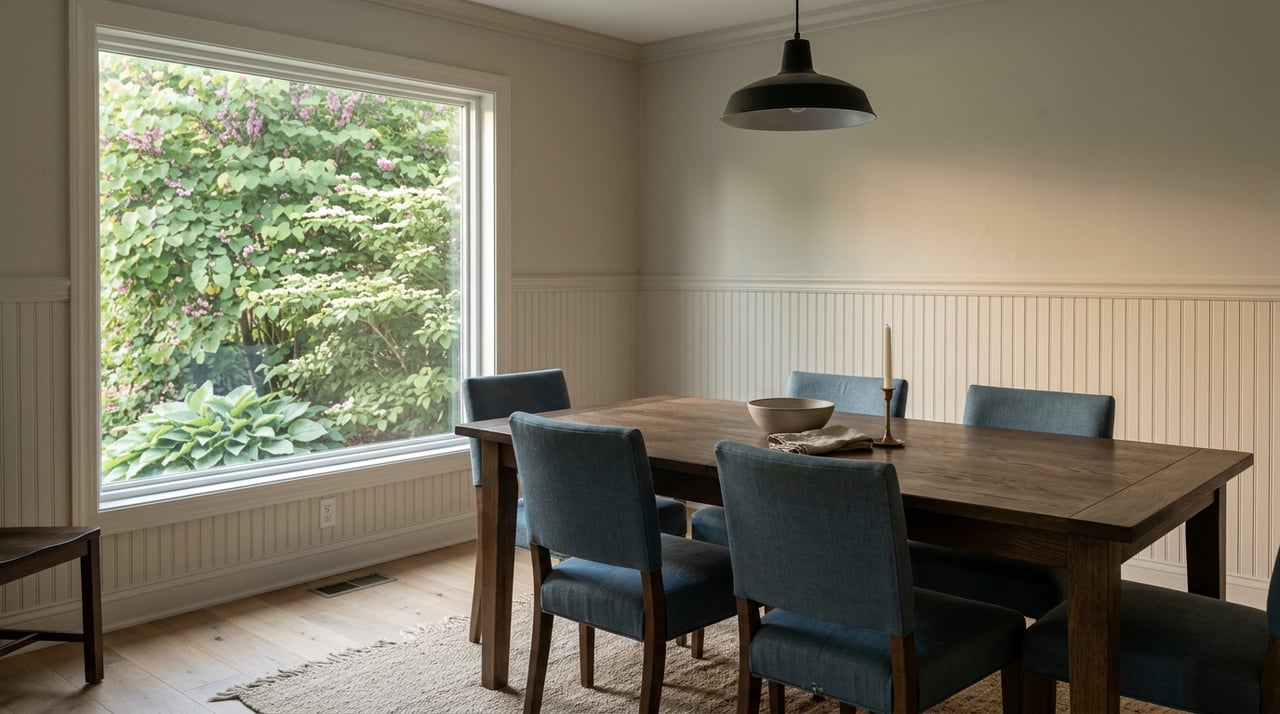
- Consider under-cabinet lighting in the kitchen and a modern pendant over the island or dining area.
- Improve exterior lighting for safety and evening showings.
For new wiring or added recessed lighting, hire a licensed electrician and confirm whether a permit is required with the Borough.
Kitchen refreshes, not full remodels
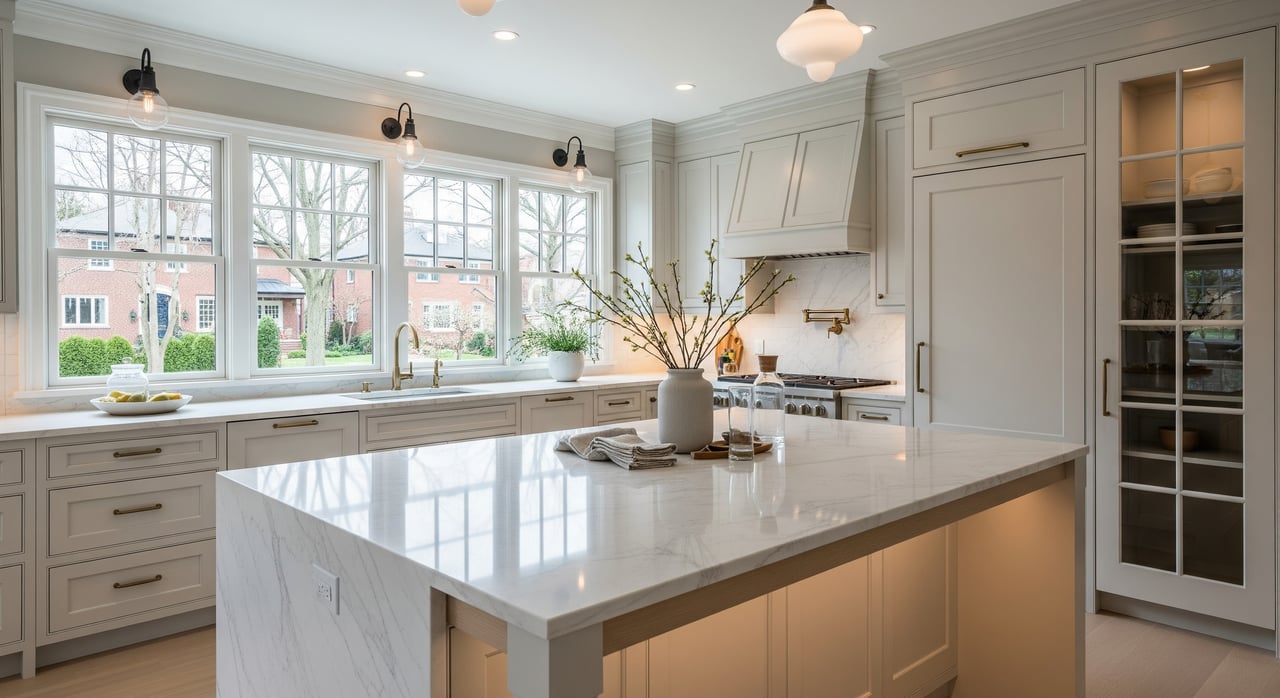
Kitchens drive decisions, but full remodels are expensive and may not fully return their cost. Focus on cosmetic and functional wins.
- Paint or refinish cabinets and install new hardware.
- Replace worn counters with cost-effective options like butcher block, quality laminate, or an affordable quartz.
- Update the faucet and sink, add a clean backsplash.
- Improve lighting with under-cabinet strips or a new pendant.
- If budget allows, swap very dated appliances for clean, energy-efficient models.
Avoid over-improving beyond neighborhood norms. If most comparable homes have mid-level finishes, a tasteful refresh plus staging will typically make a stronger financial case than a high-end renovation.
Bathroom updates that feel fresh
You do not need a gut job to make a bathroom shine.
- Regrout or reglaze the tub and tile. Fresh caulk is a must.
- Replace a tired vanity mirror and light bar with simple, modern choices.
- Update the faucet and shower fixtures. A new, efficient toilet can help.
- Add or service a vent fan to prevent humidity issues.
If the bathroom is functional and dry, cosmetic improvements usually carry the day.
Flooring that looks clean and consistent
Buyers appreciate original hardwood. If you have it, refinish rather than replace. In high-traffic or worn areas, consider neutral carpet or quality luxury vinyl tile for a quick, clean look. Aim for consistency from room to room so the home feels cohesive in photos and showings.
Maintenance that reduces buyer worry
You will get better offers when buyers sense a well-cared-for home.
- Service HVAC and change filters. Label service dates.
- Check that windows open, locks work, and smoke and CO detectors function.
- Fix obvious plumbing leaks and slow drains. Clean up any water stains and document repairs.
- Make sure the water heater area is tidy, with visible service info.
Buyers often mentally deduct for visible issues. Remove obvious objections before they show up in an inspection report.
Spend smart: how to prioritize
Start with low-cost, high-impact items. Then add moderate updates with strong visual payoff. Compare your home’s expected list price to neighborhood sales before investing in higher-ticket changes. For statewide trends and market context, review New Jersey Realtors research.
Tier 1: Quick wins
- Deep clean and declutter throughout the home.
- Neutral interior paint in key rooms.
- Minor kitchen and bath updates like hardware and fixtures.
- Brighter bulbs, a few fresh fixtures, and clean switch plates.
- Curb appeal: front door touchups, clean beds, updated porch light.
Tier 2: Moderate cost, strong impact
- Cabinet painting or refacing and new hardware.
- Countertop replacement with cost-effective materials.
- Refinish hardwood or replace worn carpet with neutral flooring.
- Replace damaged interior doors or trim.
Tier 3: Situational, higher cost
- Full kitchen or bath remodel only if local comps clearly support higher pricing.
- Additions or structural changes are rarely ideal for a spring timeline.
- Major exterior repairs if safety or inspection issues exist.
Typical cost ranges
- Interior repaint per room: low hundreds to low thousands, depending on size and labor.
- Lighting fixture replacement: about $100 to $600 per fixture, installed.
- Cabinet painting or refacing: low thousands to mid five figures, depending on kitchen size.
- Countertop replacement with budget options: mid three to four figures.
- Minor bath refresh: a few hundred to a few thousand.
Labor costs in New Jersey can run above national averages. Get two to three local bids for accuracy. For ROI perspective by project type, consult the Cost vs. Value report.
When not to renovate
- Do not over-improve. High-end finishes in a mid-range neighborhood rarely return dollar for dollar.
- Skip highly personal design choices. Bold colors or niche features can shrink your buyer pool.
- Avoid long projects that push you past the spring window. If a project will take months, consider listing with credits or targeted repairs instead.
- Do not ignore necessary fixes. Safety, leaks, or system failures will surface during inspection and can cost you more later.
- Never cover up serious issues with cosmetic work. Transparency protects your deal.
A simple rule: remove buyer objections first, then add updates that create emotional appeal.
Stage and market to amplify value
Staging and marketing multiply the impact of your updates. Staging helps buyers visualize how rooms function, makes spaces feel larger, and directs attention to your home’s strengths. Industry research from the National Association of Realtors indicates that staged homes often capture stronger buyer interest and can sell faster, though results vary by market and property.
High-quality listing photos and a coordinated digital launch are essential in a spring market. Aim for bright, wide-angle images, a clean floor plan, and, if possible, a virtual tour. Schedule photos after your final touchups, cleaning, and staging so your online debut is your best look.
This is where a marketing-first listing strategy shines. A coordinated plan that combines cosmetic updates, thoughtful staging, and polished photography tells a clear, move-in ready story to buyers who are browsing online.
A 4–6 week Highland Park prep checklist
Use this timeline to stay on track for spring.
Weeks 4–6 before listing
- Review recent sales and pricing guidance with your agent. Check county property records for context using Middlesex County resources.
- Inspect for safety issues or leaks and schedule repairs.
- Plan targeted cosmetic updates: paint, lighting, kitchen and bath refreshes.
- Get 2–3 local contractor bids and confirm permit needs with the Highland Park Borough.
2–3 weeks before listing
- Deep clean, declutter, and depersonalize. Organize closets and storage.
- Finalize a staging plan and source any rental pieces or decor.
- Complete landscaping cleanup and add simple curb appeal touches.
1 week before listing
- Book professional photography, floor plan, and a virtual tour.
- Prepare marketing notes that highlight updates and maintenance records.
Ongoing during showings
- Keep surfaces clear and floors spotless. Maintain lighting and temperature for comfort.
- Tidy landscaping and entry daily during the first week on market.
When you combine focused updates with strong staging and marketing, you position your Highland Park home to stand out during the busiest season. If you want a tailored plan, a pricing strategy based on local comps, and a marketing-first launch, connect with Links NJ to get started.
FAQs
Which pre-list updates in Highland Park bring the best ROI?
- Focus on neutral interior paint, curb appeal, updated lighting, and cosmetic kitchen and bath refreshes, which typically deliver strong perceived value for modest cost.
How do I avoid over-improving before I sell?
- Compare planned finishes to recent neighborhood sales and aim for clean, mid-level updates rather than luxury upgrades that exceed local norms.
Do I need permits for lighting or painting changes?
- Painting and simple fixture swaps usually do not require permits, but added wiring or structural changes may, so confirm requirements with the Highland Park Borough.
Is a full kitchen remodel worth it before listing?
- Often no, unless local comps clearly support a higher price. Start with cabinet paint, hardware, counters, and lighting for a faster, safer return.
Will staging really help my sale?
- Industry research from the National Association of Realtors shows staged homes often draw stronger buyer interest and can sell faster, though results vary by property and market.
Where can I check property records and recent sales?
- Use Middlesex County resources for records, then review comparable sales with your agent to set strategy and budget.