If you start your Teaneck home search thinking every block offers the same lifestyle, you can miss what really matters. In this township, location is not just about price or square footage. It is about how a specific corridor, park edge, or residential block may shape your daily routine. Understanding those differences can help you search smarter and tour with more confidence. Let’s dive in.
Why Teaneck Feels Like Several Micro-Areas
Teaneck does not operate like a one-center town where every home orbits the same downtown. The township’s 2024 master plan identifies several separate commercial corridors, including Cedar Lane, West Englewood/The Plaza, Queen Anne Road/Degraw, Teaneck Road, and Glenpointe Center.
That matters because your home search may feel very different depending on which part of town you are focusing on. Some areas offer a more connected, in-town feel with easier access to errands and transit. Others lean more residential or park-adjacent, with a different pace and street experience.
The township also notes that these corridors are accessible by personal vehicles, regional bus routes, jitneys, and walking. So when buyers compare homes in Teaneck, they are often really comparing corridor context and block context, not just one broad town identity.
How Housing Style Changes by Block
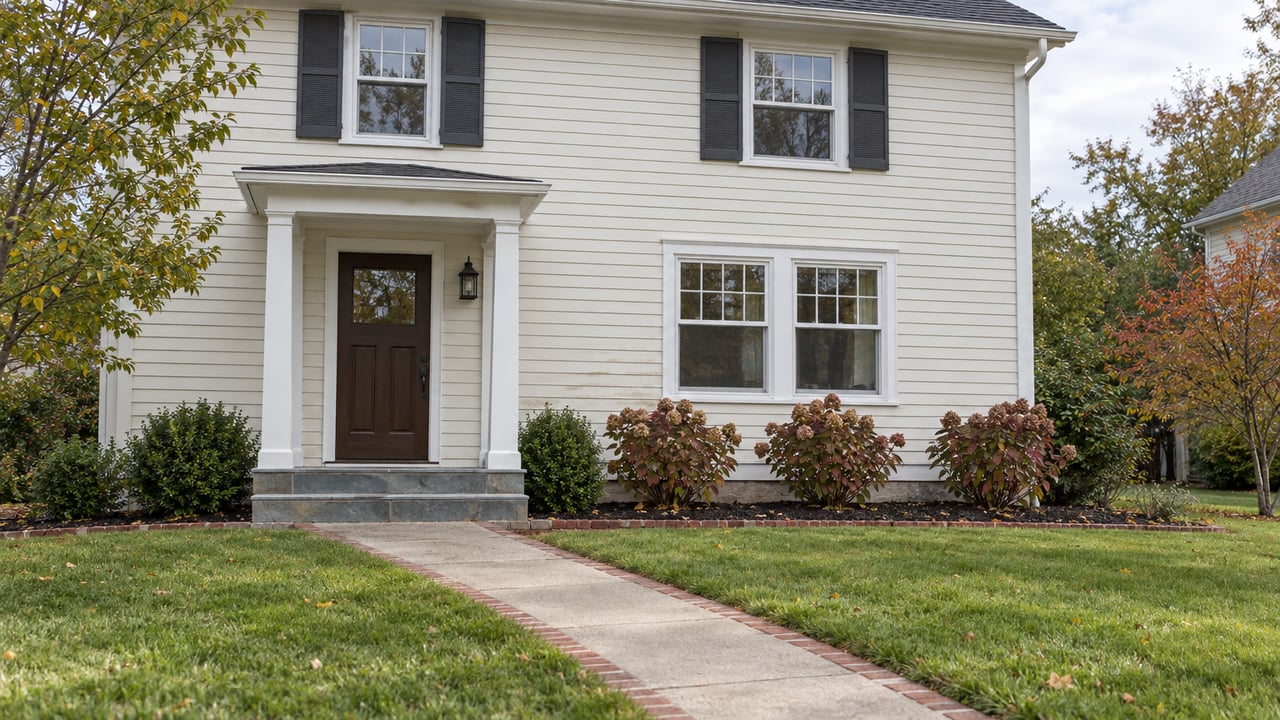
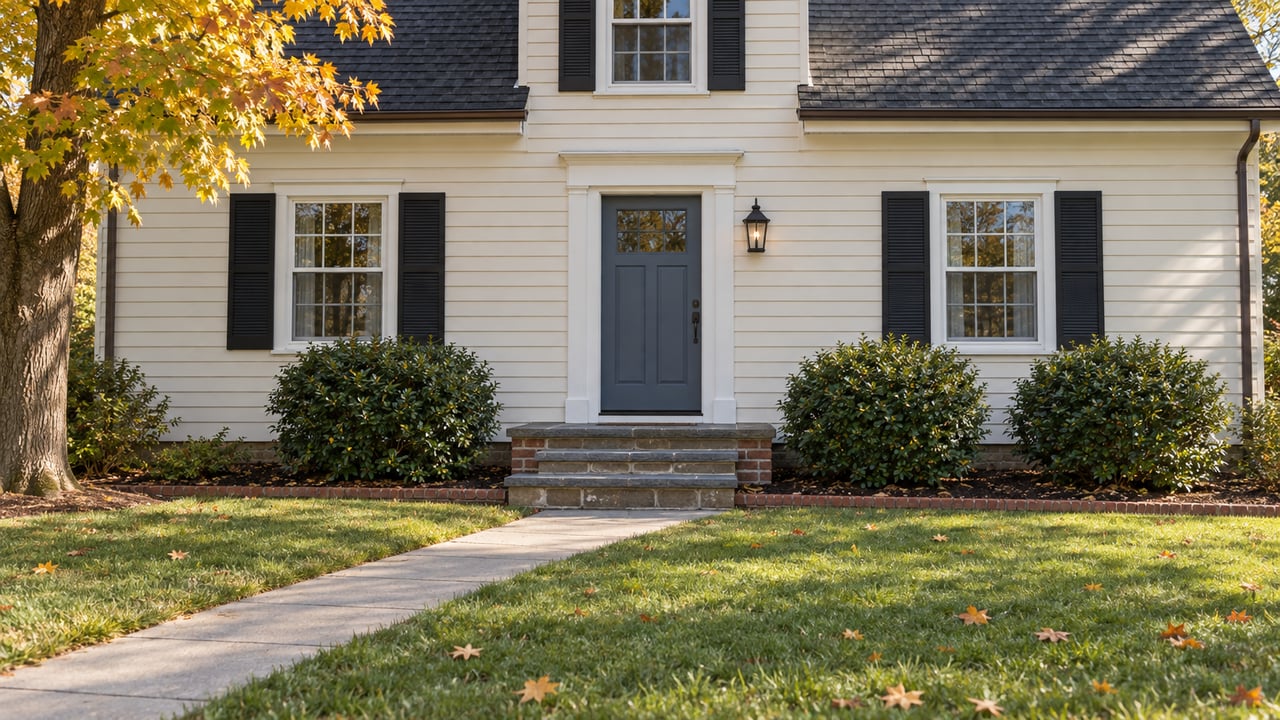
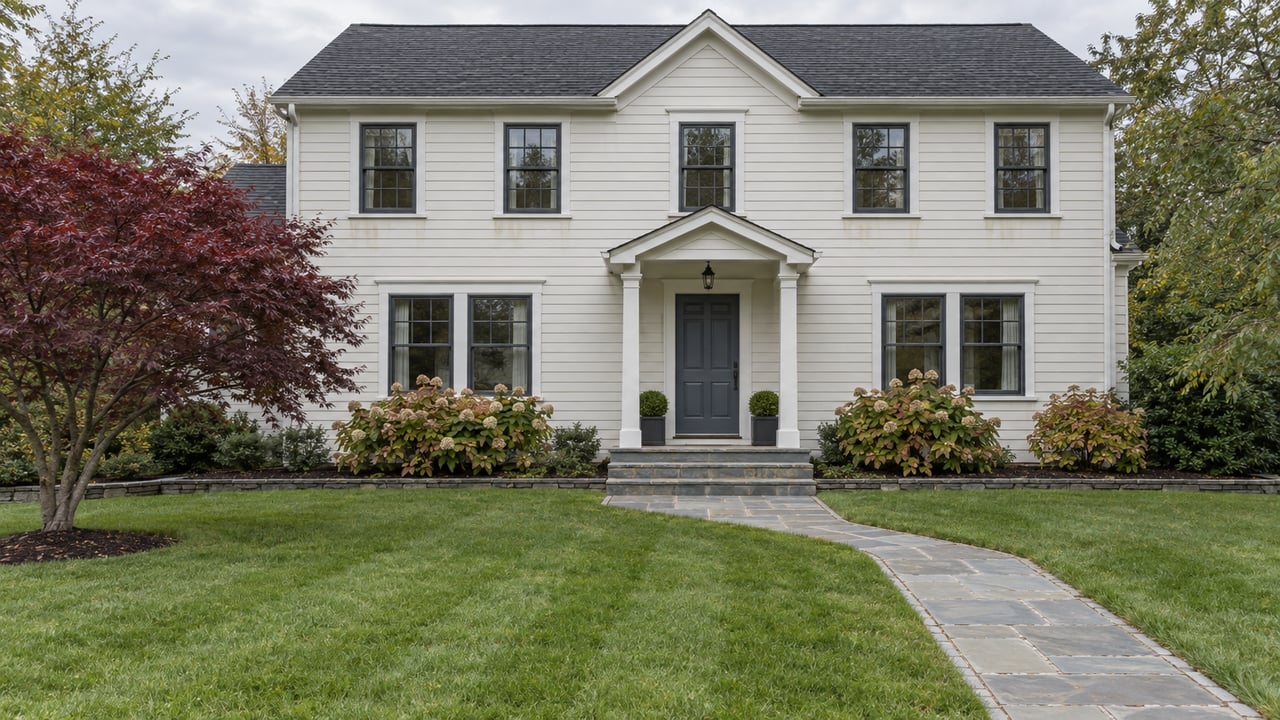
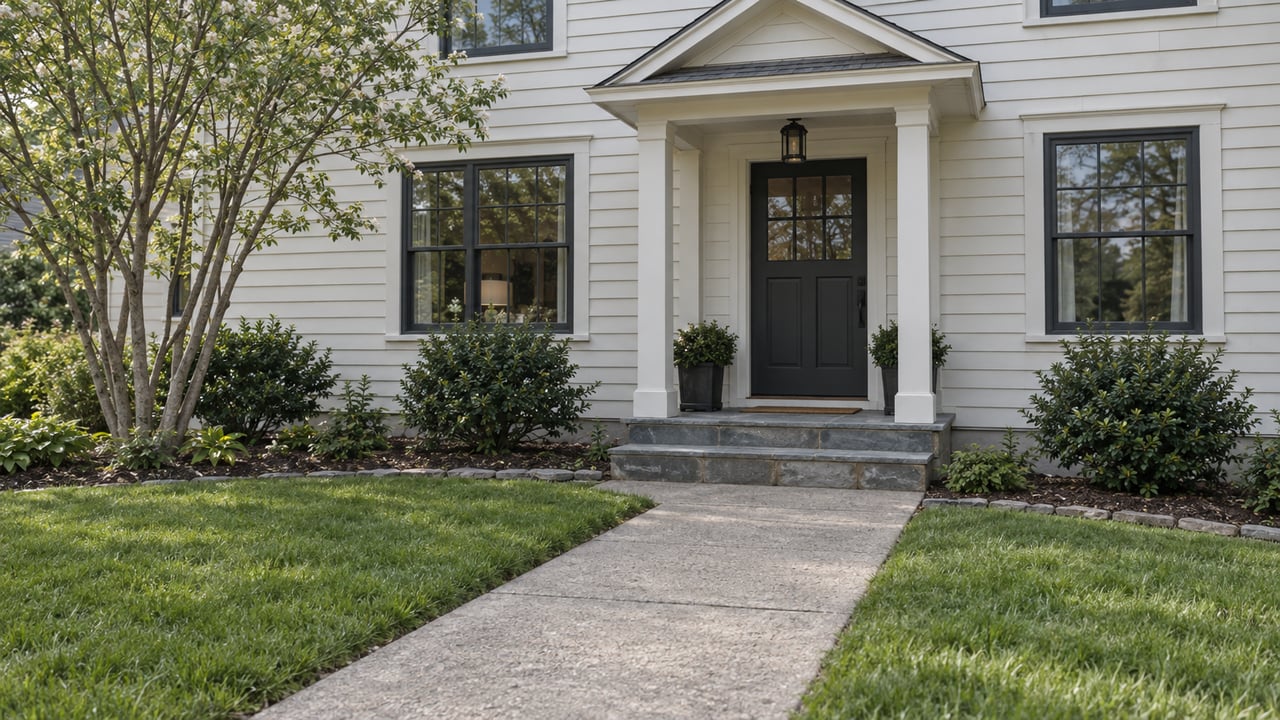
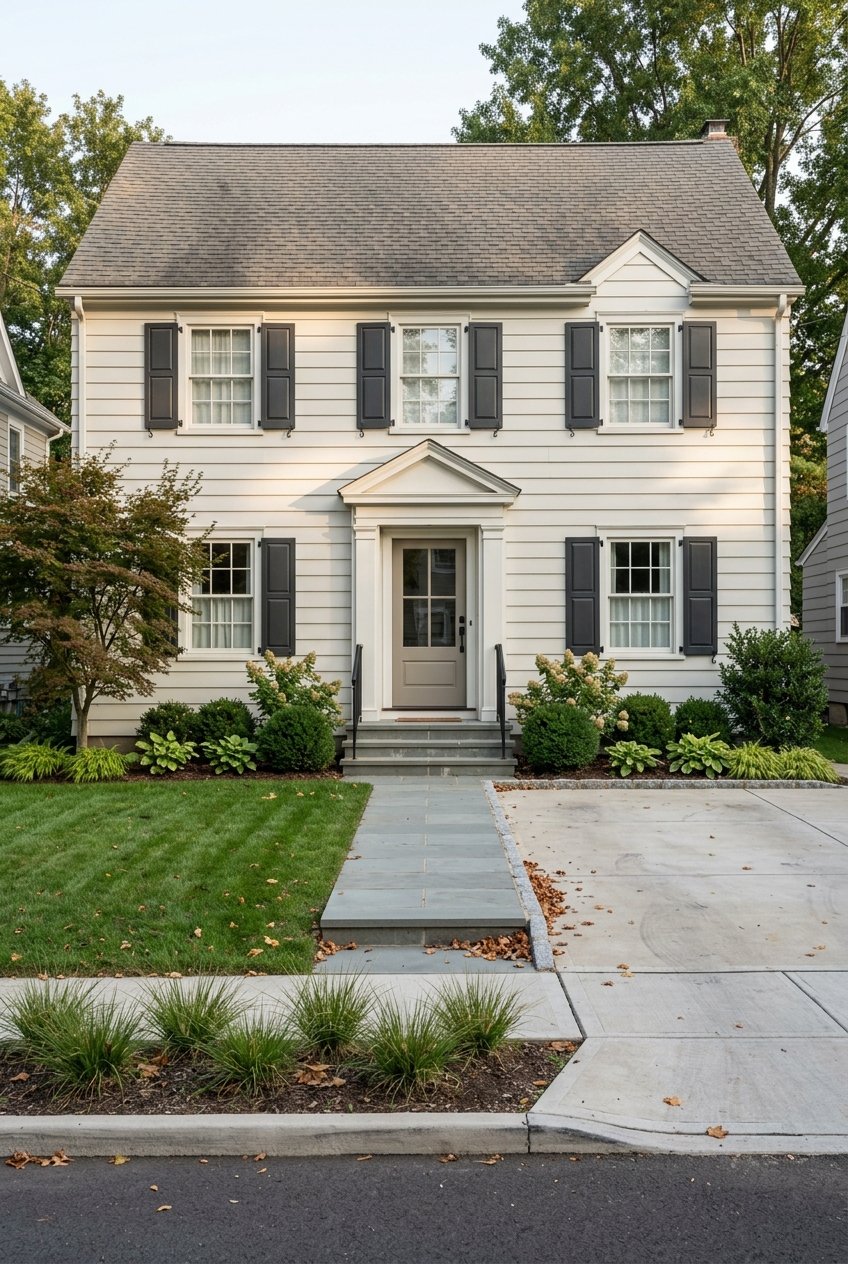
One of the biggest reasons Teaneck neighborhoods shape your search is the range of housing styles across town. Teaneck includes older Tudor-dominant prewar subdivisions, Colonial Revival civic buildings, and historic stone or colonial-era sites. Later development added garden apartments, split-level homes, ranch houses, and trim colonials, especially along the township’s edges.
That mix means two homes with similar bedroom counts can feel completely different in person. One block may present a distinctly prewar look and layout, while another may reflect more mid-century or postwar design choices. If you care about style, floor plan, or a home’s era, it helps to study not just the listing but the surrounding block.
The Warner district is a good local example of how planning influenced neighborhood character. It was built around Dutch colonial-inspired buildings, clapboard courtyard apartments, small cottages, and greenbelts, with pedestrian and vehicle separation built into the plan. In a home search, details like that can change how a street feels long before you step inside a house.
What Teaneck’s Housing Mix Means for Buyers
Teaneck is not a one-style suburb. Its housing element described the township as mostly single-family detached, while also including two-family and multifamily housing. The township’s 2013 housing data reported about 73% single-family detached units, about 5% two-family units, and about 19% structures with three or more units.
Most of the housing stock was built between 1940 and 1979, with only a small share built since 2000. Current planning also includes design guidance for townhouses and two-family dwellings, which reinforces the idea that buyers are entering a mixed housing market.
For you, that means search filters only tell part of the story. A three-bedroom home in one section of Teaneck may sit in a very different setting than a three-bedroom home somewhere else. Looking at the type of housing around the home, not just the property itself, can help you avoid surprises.
Cedar Lane and Central Teaneck
Cedar Lane is one of the clearest examples of how location shapes day-to-day life. The Cedar Lane area from Palisade Avenue to Catalpa Avenue is described by the Cedar Lane Management Group as Teaneck’s most concentrated commercial district and the heart of its central business district.
The township’s master plan breaks Cedar Lane into east, downtown core, and west segments. It also notes access by vehicles, bus routes, jitneys, and walking. For buyers, that often signals stronger convenience for errands and a more active street environment.
That same convenience can also mean a more commercial feel than a quieter interior block. If you like being closer to shops, services, and movement, this area may deserve a closer look. If you want a more tucked-away setting, you may want to compare it with nearby residential streets before deciding.
Queen Anne Road and Degraw Avenue
Queen Anne Road and Degraw Avenue form another key micro-area in Teaneck. The township identifies this as one of its important corridors, and Teaneck received a $900,000 NJDOT grant for Queen Anne Road streetscape improvements from State Street to Court Street.
Pedestrian safety and infrastructure were named as priorities in that project. The township’s transit information also lists bus service tied to Queen Anne Road, which can make this corridor especially relevant if connected daily travel is a priority for you.
In practical terms, buyers often look at this area when they want an in-town setting with convenience built into the location. It is a useful example of how a home’s surroundings may support a more connected routine, even if another home with similar specs appears comparable online.
Teaneck Road, Glenpointe, and Route 4
Teaneck Road, Glenpointe, and the Route 4 area offer a different kind of value in a home search. The township says Teaneck has easy access to major highways and public transportation, and its transit page lists service along Teaneck Road, Route 4, and Glenpointe.
The master plan also treats Teaneck Road and Glenpointe Center as separate commercial corridors. Historically, Route 4 and the George Washington Bridge helped increase Bergen County property values, and Glenpointe became a major development pressure point.
For today’s buyers, this corridor is often more about access and convenience than classic residential quiet. If you are comparing homes partly through the lens of regional travel or major road access, this section of town may feel different from more interior residential pockets.
River Road and Park-Adjacent Areas
If open space matters most to you, western and river-adjacent sections of Teaneck may stand out. River Road has multiple bus routes, and several of the township’s major park assets sit nearby.
Overpeck County Park spans more than 805 acres and includes trails, fields, and a canoe and kayak launch. Phelps Park sits between River Road and Wilson Avenue. The Hackensack River Greenway is a 3.5-mile pedestrian walkway and nature trail through Teaneck, and Teaneck Creek Conservancy sits east of Teaneck Road between Fycke Lane and Degraw Avenue.
These locations can create a very different daily experience from homes near more active commercial corridors. If outdoor access is high on your list, it is worth mapping each listing against nearby parks and green space instead of relying on broad neighborhood labels.
How to Read a Listing More Carefully
A smart Teaneck home search goes beyond photos and square footage. The township’s maps page includes a zoning map, tax map viewer, and voter districts. Its Property Record Cards page states that property cards include construction details and other elements used to describe and value a property.
That means listing photos alone do not tell you enough. The block, the corridor, the lot context, and the zoning setting can all change how a home functions and feels in real life.
Before touring, it helps to check a few basics:
- Which corridor the home sits near
- Whether the block feels more residential or commercial
- How close it is to parks or greenways
- What the property record says about construction details
- Whether nearby housing styles match what you want
This extra step can help you compare homes more accurately, especially when two listings appear similar online.
A Better Way to Compare Teaneck Homes
In Teaneck, two homes with similar size can support very different lifestyles. One may put you closer to Cedar Lane or Queen Anne Road, where convenience and activity play a bigger role. Another may sit near a park edge or quieter residential block, where the experience may feel more removed from corridor traffic and commerce.
That is why neighborhood context should be part of your search from the start. Instead of asking only, “Do I like this house?” it helps to ask, “How will this location shape my daily life?”
When you search with that mindset, you can make stronger decisions faster. And if you want local guidance on how Teaneck’s micro-areas compare in real terms, Links NJ can help you narrow your search with a clearer strategy.
FAQs
Is Teaneck one walkable town center?
- No. Teaneck’s planning documents point to several distinct commercial corridors, so it functions more like a set of micro-areas than one uniform town center.
How can you spot commuter-friendly areas in Teaneck?
- Check whether a home is near Cedar Lane, Queen Anne Road, Teaneck Road, River Road, Route 4, or Glenpointe, since the township identifies those corridors for transit access.
How can you tell if a Teaneck home will feel older or newer?
- Review listing photos, street view, and property records, because Teaneck includes historic sites, Tudor-era neighborhoods, and later postwar housing like ranches and split-levels.
Which Teaneck areas may appeal to buyers who want park access?
- Homes near River Road and other park-adjacent sections may appeal if outdoor access is a priority, especially near Overpeck County Park, Phelps Park, the Hackensack River Greenway, and Teaneck Creek Conservancy.
What should you verify before touring a home in Teaneck?
- Look at the home’s corridor location, surrounding block context, nearby parks, zoning setting, and property record details so you understand more than just the listing photos.