If you are thinking about living in Englewood, the biggest question may not be whether the city fits you. It may be which version of Englewood fits your daily life. Some buyers want restaurants, errands, and transit closer at hand, while others want a quieter block with a more traditional neighborhood feel. This guide will help you compare downtown Englewood and the city’s residential blocks so you can focus on the lifestyle that matches you best. Let’s dive in.
How Englewood Is Set Up
Englewood is a compact Bergen County city with about 30,221 residents across roughly 4.93 square miles. Even with that smaller footprint, it is not one uniform place. The city’s land-use planning shows a clear pattern between the downtown core, transition areas, and lower-density residential neighborhoods.
The city concentrates commercial and mixed-use activity downtown and along major corridors. At the same time, most of Englewood’s land area is zoned for single-family residential neighborhoods. That means your day-to-day experience can change quite a bit depending on where you live.
The city’s master plan also notes some broad differences between sides of town. It describes the east side as largely large-lot, single-family neighborhoods, while the west side includes a mix of housing types, smaller-lot single-family blocks, and more parks, shopping opportunities, schools, and houses of worship.
Downtown Englewood at a Glance
Downtown Englewood is designed to be denser, more mixed-use, and more pedestrian-friendly than the rest of the city. The master plan describes the downtown core as a place for retail attractions, entertainment, and high-density housing. It also notes that low- and mid-rise apartments and new commercial space have been added along Palisade Avenue and nearby streets.
This part of Englewood works well if you want daily convenience built into your location. The downtown area includes businesses, government offices, cultural venues, and civic destinations in one compact setting. According to the city, downtown contains 491 businesses and government offices with 4,022 employees.
Downtown is also home to major local anchors like BergenPAC, City Hall, and the public library. That concentration gives the area a busier rhythm and makes it feel more active throughout the day. If you like having places to go without getting in the car every time, this can be a strong advantage.
What Downtown Living Feels Like
In practical terms, downtown living usually means easier access to dining, shopping, services, and entertainment. The city’s downtown zoning standards are intended to place buildings closer to each other and closer to the street, which supports pedestrian activity in the core.
That setup can make everyday errands simpler. You may be able to combine coffee, a quick errand, and an evening out in one short trip. For many buyers, that kind of convenience is the main draw.
Residential Blocks at a Glance
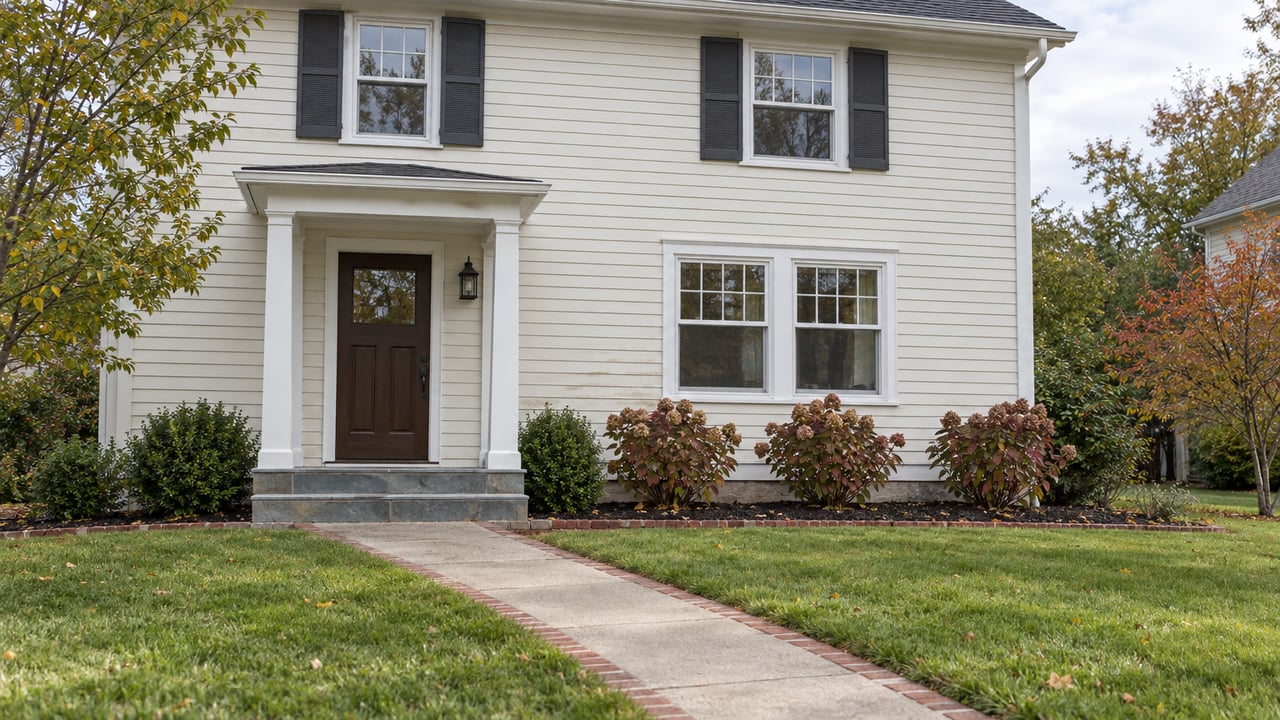
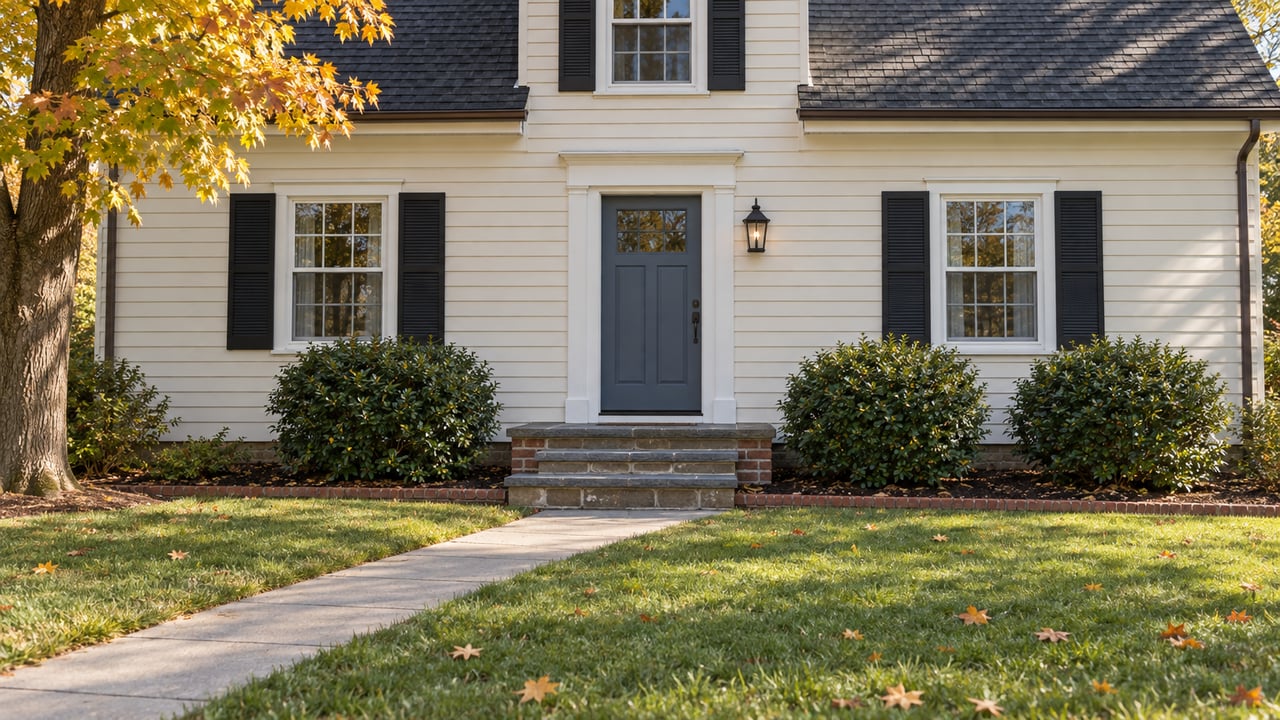
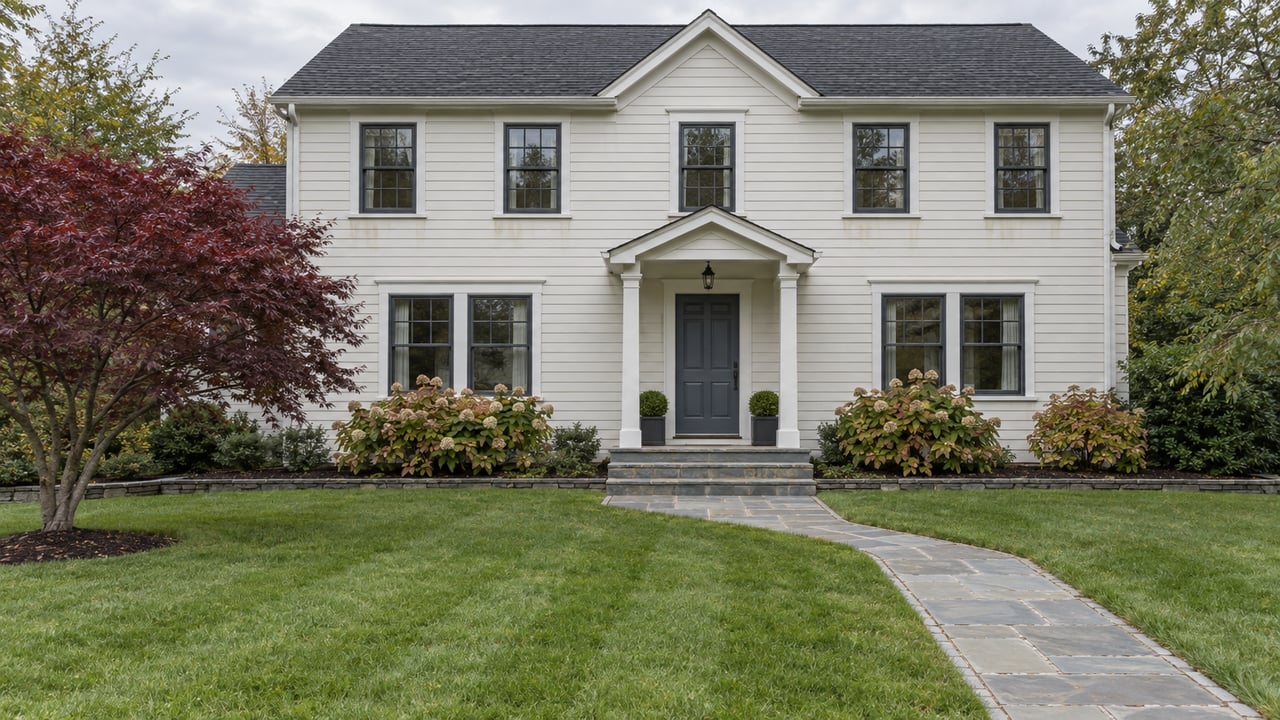
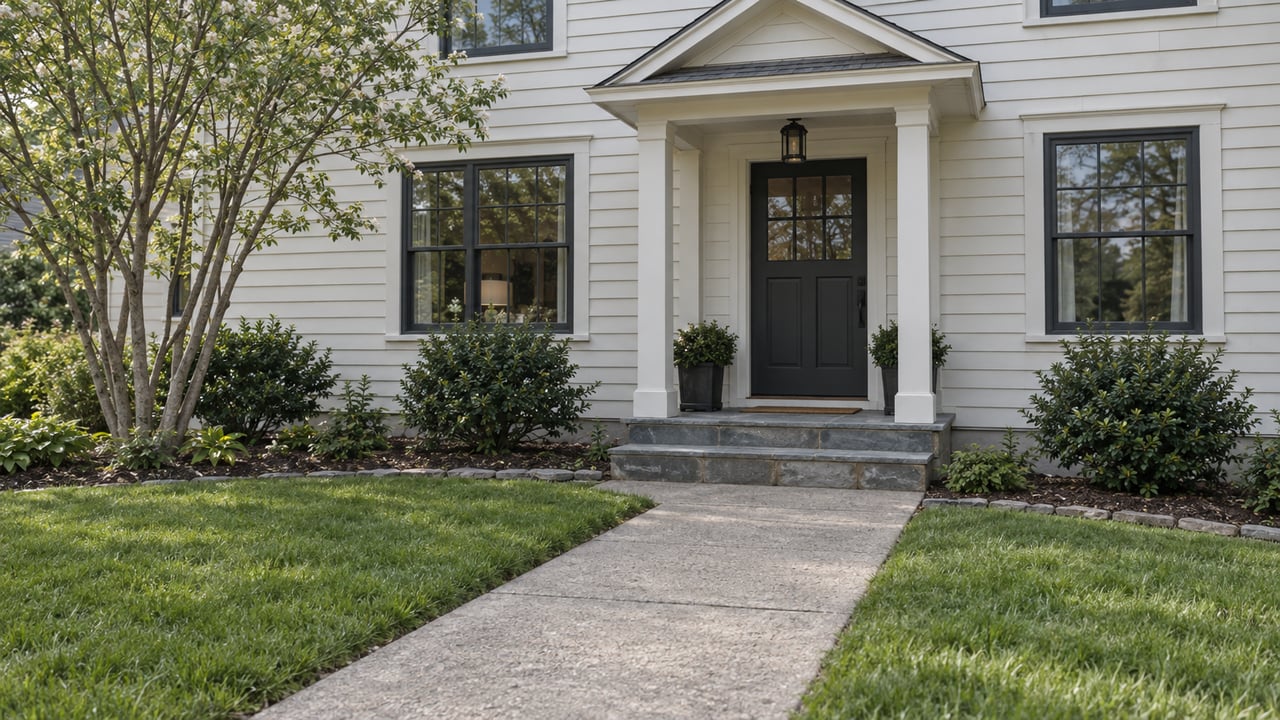
Away from downtown, Englewood shifts into a more traditional residential pattern. The city says single-family zones cover the majority of the land area and primarily permit one-family dwellings. These areas also allow compatible uses like parks, nature preserves, schools, and religious uses.
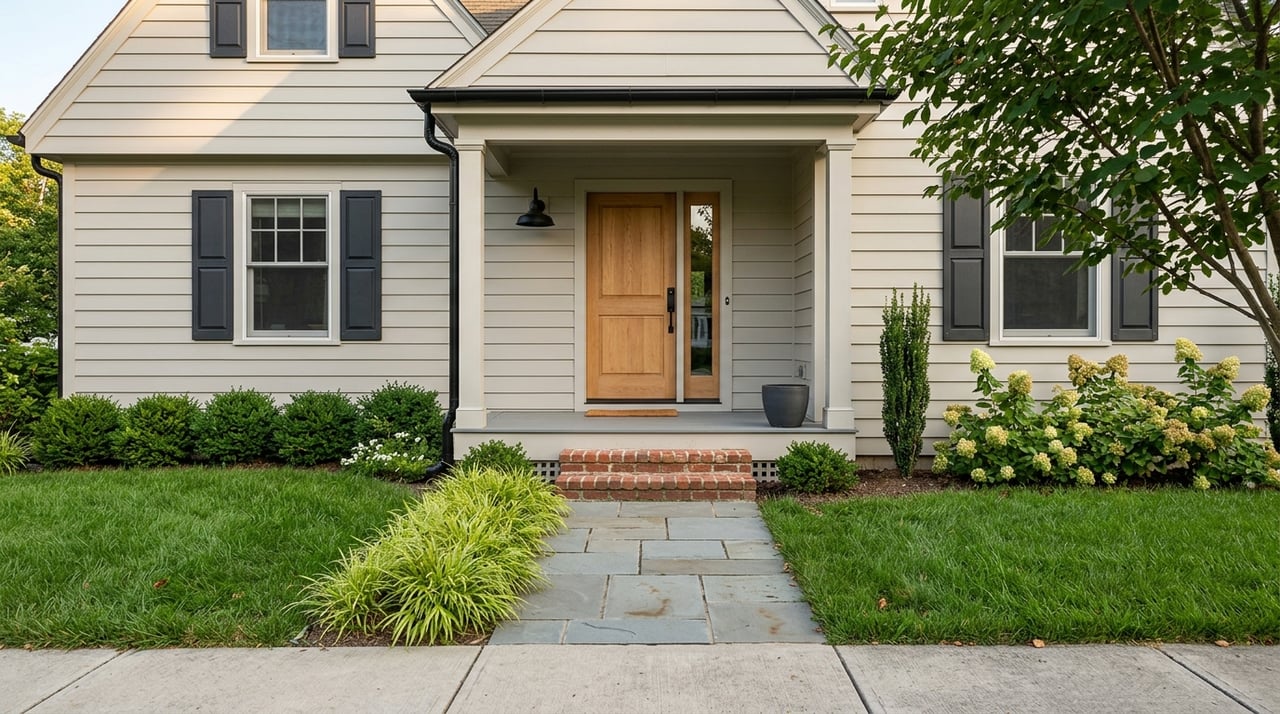
For many buyers, this is the version of Englewood that feels more like a classic Bergen County suburb. Streets tend to be lower density, and the overall pace is often quieter than in the downtown core. If your ideal routine centers more on home space and less on a walk-to-everything lifestyle, the residential blocks may feel like a better fit.
The master plan also points to housing variety beyond detached homes. On the west side especially, there is a mix of housing types and smaller-lot single-family blocks. That gives buyers more than one way to approach residential living in Englewood.
Transition Areas Near Downtown
Not every home choice falls into a strict downtown-versus-suburban split. Englewood also has transition areas near the downtown core. The city specifically mentions older garden-apartment and townhouse communities just south of downtown along William Street, along with multi-family zones on the edges of downtown, Palisade Avenue, Grand Avenue, and Engle Street.
These areas can appeal to buyers who want to stay close to downtown activity without living in the center of it. You may get easier access to shops, services, and bus stops while still being slightly removed from the busiest blocks.
Housing Choices and Daily Routine
One of the clearest differences between downtown and residential Englewood is the type of home you are more likely to find. Downtown zoning supports mid-rise mixed-use and multi-family development, so buyers looking for apartments, townhouses, or a more compact home style may want to start there.
Farther out, the city’s land-use pattern shifts toward one-family homes across much of Englewood. If you are searching for more privacy, a yard, or a classic detached-home setting, residential neighborhoods will likely align better with your goals.
Citywide, Englewood has both ownership and rental demand. The 2024 Census estimates show an owner-occupied housing rate of 52.7%, a median owner-occupied home value of $497,500, and a median gross rent of $1,925. Those are citywide figures, but they help show that the local market supports a range of housing needs.
Walkability, Errands, and Parking
If walkability is high on your list, downtown has a clear edge. The city’s planning documents frame it as a regional destination for dining, shopping, and entertainment, and its zoning is designed to support more pedestrian activity.
That does not mean downtown is effortless in every way. Parking is one of the real tradeoffs. The city says downtown is supported by public parking lots, a public parking deck, and metered street parking, but it also notes a common perception of parking shortage.
For some buyers, that tradeoff is worth it because they value convenience and activity. For others, easier home parking and a lower-density street pattern matter more. That is where the residential blocks usually stand out.
Parks and Outdoor Access
Green space can shape your day just as much as restaurants or commute access. Englewood’s recreation planning identifies 18 public parks, which gives residents a good range of outdoor options across the city.
Two useful parks near downtown are Mackay Park and Veteran’s Memorial, also called Depot Square Park. Mackay Park is a 28.6-acre site with an ice arena, pool, courts, fields, playground, and parking. Veteran’s Memorial/Depot Square Park is a 5.607-acre park with a farmers market area, playground, swings, lawn, picnic tables, benches, and parking.
The city also highlights Flat Rock Brook, a 150-acre nature preserve and environmental education center in Englewood. That gives the city a major natural asset beyond the downtown street grid.
If you want larger open space to be part of your everyday routine, blocks closer to parks may be especially appealing. Downtown has park access at its edges, but it does not offer the same large-open-space feel in the core itself.
Commute Options in Englewood
Englewood offers both bus-oriented and car-oriented access patterns, and where you live can influence which one feels easier. NJ TRANSIT lists route 178 as Hackensack, Englewood, and New York through the George Washington Bridge. The route 166 schedule also includes Englewood stops such as Dean Street at Palisade Avenue, Van Nostrand Avenue at Grand Avenue, and Engle Street at Palisade Avenue, with service to Port Authority Bus Terminal.
That is part of why downtown and nearby transition blocks can work well for buyers who want transit within easier reach. At the same time, the city’s master plan notes that multi-family zones are also located near access ramps to NJ-4 and I-95/80, supporting car access as well.
For a commuter, the question is less about whether Englewood offers access and more about which kind of access suits your routine. If you want simpler bus access and a more compact setting, downtown may be the better match. If you expect to drive more often and want a lower-density home environment, the residential blocks may feel more natural.
East Side and West Side Considerations
The city’s planning documents describe the east side as largely large-lot, single-family neighborhoods. They describe the west side as having a broader mix of housing types, smaller-lot single-family blocks, and more parks and shopping opportunities.
The same documents also note that the west side is more exposed to flooding and heat because of lower elevation and more impervious surface. For buyers comparing homes in different parts of Englewood, that is a practical factor worth keeping in mind as you narrow your search.
This does not make one side universally better than the other. It simply means your housing type, access priorities, and property-level due diligence matter when choosing where to focus.
Which Part of Englewood Fits You?
If you want a home base where restaurants, civic destinations, and bus access are easier to reach, downtown Englewood may be the right fit. It is especially worth a closer look if you prefer an apartment, townhouse, or mixed-use setting and like a more active streetscape.
If you picture a one-family home, more privacy, and a lower-density block, residential Englewood may be a better match. That side of the decision is often less about being near the center of activity and more about having a calmer day-to-day setting.
For many buyers, the best answer falls somewhere in between. Englewood’s transition areas can offer a blend of access and residential feel, especially near the edge of downtown. The key is to match the location to the routine you actually want to live.
If you are weighing where to focus in Englewood, working with a local team can help you compare home style, block feel, parking realities, park access, and commute patterns with more confidence. When you are ready to explore your options, connect with Links NJ for local guidance tailored to your goals.
FAQs
What is the main difference between downtown Englewood and residential blocks in Englewood NJ?
- Downtown Englewood is a denser, mixed-use area built around shopping, dining, entertainment, civic destinations, and higher-density housing, while most residential blocks are lower-density areas centered on one-family homes and a more traditional neighborhood setting.
What types of homes can you find in downtown Englewood NJ?
- Downtown Englewood includes zoning for mid-rise mixed-use, multi-family housing, apartments, and some townhouse-style living, with additional transition-area housing near streets like William Street, Grand Avenue, Engle Street, and Palisade Avenue.
What types of homes can you find in residential Englewood NJ?
- Most of residential Englewood is zoned for one-family dwellings, though some parts of the city, especially on the west side, include a mix of housing types and smaller-lot single-family homes.
Is downtown Englewood NJ walkable for daily errands?
- The city’s planning documents support that downtown is the more walkable part of Englewood because buildings are placed closer together and closer to the street, with dining, shopping, entertainment, and civic uses concentrated in the core.
How is parking in downtown Englewood NJ?
- Downtown Englewood has public parking lots, a public parking deck, and metered street parking, but the city also notes a common perception of parking shortage, so parking can be a tradeoff compared with lower-density residential blocks.
What parks and outdoor spaces are available in Englewood NJ?
- Englewood has 18 public parks, including Mackay Park and Veteran’s Memorial/Depot Square Park near downtown, plus Flat Rock Brook, a 150-acre nature preserve and environmental education center in the city.
What NJ TRANSIT bus options serve Englewood NJ?
- NJ TRANSIT lists route 178 between Hackensack, Englewood, and New York through the George Washington Bridge, and route 166 includes Englewood stops with service to Port Authority Bus Terminal.
Which part of Englewood NJ may suit commuters better?
- Buyers who want easier access to bus stops and a compact setting may prefer downtown or nearby transition blocks, while buyers who expect to drive more often may prefer residential areas with a lower-density street pattern and access to major roads.