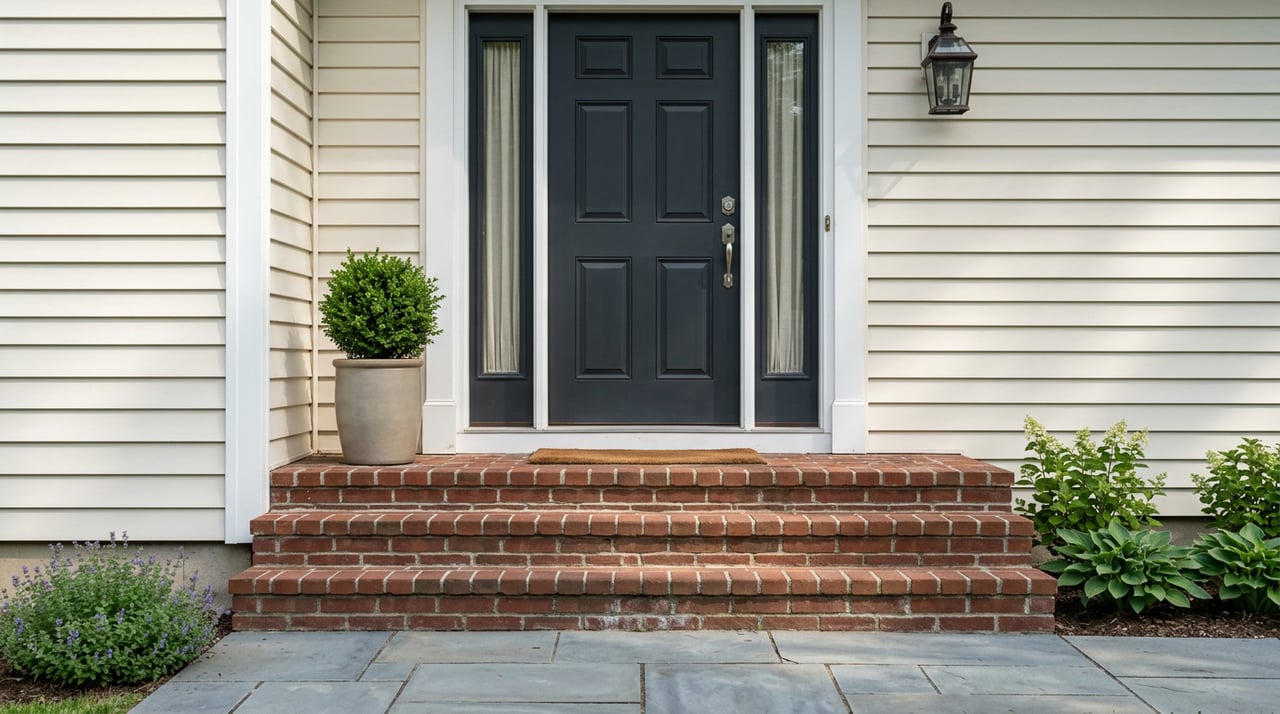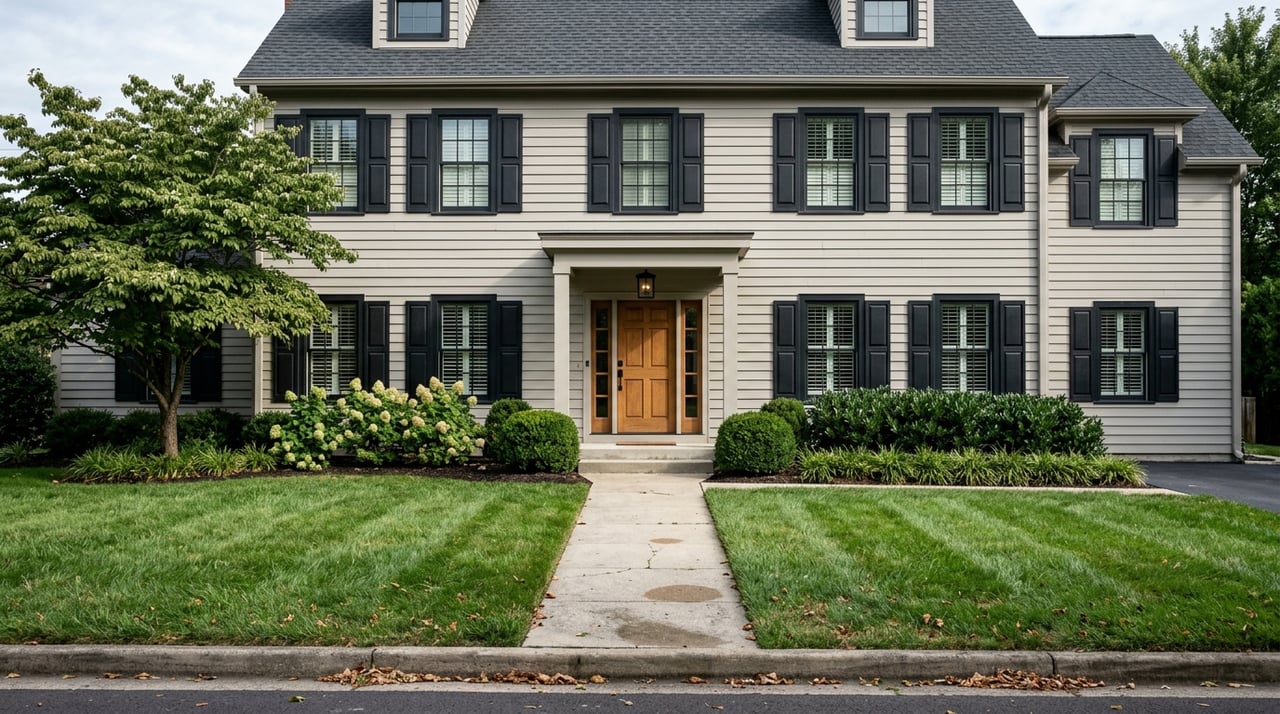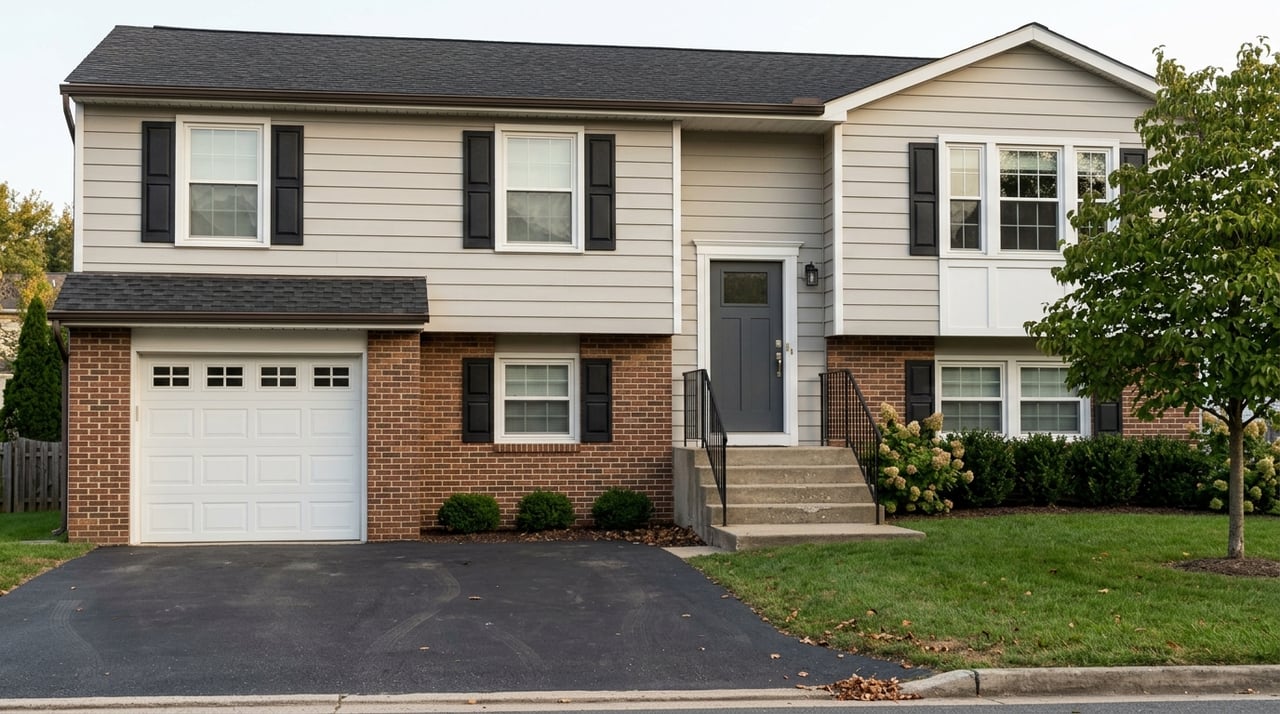
If you start touring homes in New Milford, one thing becomes clear fast: this is not a town defined by rows of brand-new construction. Instead, you’ll see a housing stock shaped by decades of suburban growth, with familiar house types that many Bergen County buyers already know by name. If you want to understand what you’re likely to find, how these homes tend to live, and what that can mean for your search, this guide will help you read the market more clearly. Let’s dive in.
Why New Milford’s home styles stand out
New Milford is a largely built-out Bergen County borough with an older housing base. According to the borough’s Housing Element and Fair Share Plan adopted in May 2025, about 65 percent of housing units are single-family detached, nearly 29 percent are in structures with three or more units, and about 71 percent of the housing stock was built before 1960.
That age mix matters when you are shopping for a home. It helps explain why New Milford often feels defined by classic mid-century suburban houses instead of large pockets of newer development. In practical terms, you are more likely to encounter established home styles with character, updates, and expansion history than brand-new inventory.
Census QuickFacts also reports an owner-occupied housing rate of 61.4 percent and a median owner-occupied value of $580,400 for 2020 through 2024. That places New Milford in the middle of the Bergen County market rather than at the very top or bottom of the local price spectrum.
Cape Cod homes in New Milford
Cape Cods are one of the most recognizable home styles in New Milford. Recent listings show that they remain a visible and active part of the borough’s single-family inventory.
In many cases, New Milford Cape Cods start with a modest footprint but offer flexibility over time. Recent examples include an extended Cape Cod on Hoffman Avenue, an expanded Cape Cod on Ryeside Avenue, and a turnkey Cape Cod on Carnation Drive. That pattern suggests many of these homes have already been adapted to changing needs through additions or interior updates.
For buyers, that can be appealing if you want a classic layout with room to personalize. For sellers, it means buyers may pay close attention to how well the home has been maintained, expanded, or modernized while still keeping the original charm intact.
What buyers often notice about Cape Cods
Cape Cods in New Milford often appeal to buyers looking for a manageable house size with usable outdoor space. Listings in the borough suggest these homes commonly sit on lots that still allow for driveways, garages, and backyards without feeling oversized.
You may also notice that garage setups vary. Some examples feature attached one-car garages, while others rely more on driveway parking or detached structures depending on the age and placement of the home.
Colonial homes in New Milford
Colonials are another major part of the New Milford housing mix, but this category can vary more than buyers expect. In this market, the word “colonial” can describe anything from a compact older home on a tighter in-town lot to a larger rebuilt property with more modern finishes.
Recent examples include a Tudor colonial on Milford Avenue, a colonial on Grand Street with a detached two-car garage and an 8,002-square-foot lot, and a newer rebuilt colonial on Woodland Road on about a quarter acre. A 2025 Cedar Road listing also showed how some newer colonials stretch into larger footprints with upgraded garage space and more open lots.
That variety is important when comparing options. Two homes both labeled colonial may offer very different room sizes, lot dimensions, parking setups, and renovation timelines.
Why colonials appeal to many buyers
Colonials often attract buyers who want a more traditional two-story layout. That can mean clearer separation between living and sleeping areas, which some households prefer over more segmented split-level designs.
In New Milford, colonials can also reflect the borough’s long housing timeline. Some have been carefully updated over the years, while others are rebuilds or significantly improved versions of older homes. As a result, buyers often need to look beyond the style label and focus on the home’s actual age, condition, and improvement history.
Split-level homes in New Milford
Split-levels are one of New Milford’s signature suburban house types. If you are looking for a home with multiple living zones but do not necessarily want the footprint of a larger colonial, this style may stand out.
Recent listings include a tri-level split on Boulevard, a split-level on Allessandrini Place, an expanded split on Princeton Street, and a renovated split-level on Summit Avenue. These examples show a recurring pattern: split-level homes in New Milford often combine moderate lot sizes with garages, driveways, and more distinct separation between living spaces.
That layout can be practical if you want a little more separation for daily routines. It may also give you flexibility for uses like a den, ground-level family room, or home office area, depending on the specific design.
What makes split-levels different
The biggest draw of a split-level is usually how the space is divided. Instead of all major rooms sitting on one floor or two full levels, these homes typically break up living areas into staggered sections.
For some buyers, that feels more functional and spacious. For others, it means paying closer attention to stairs, flow, and how each level connects. In New Milford, the style remains common enough that it is worth understanding before you narrow your search.
Newer construction is less common
If your goal is brand-new construction, New Milford may offer fewer choices than some buyers expect. The borough’s housing profile supports that reality, with only about 4 percent of housing stock built since 1990.
When newer homes do appear, they are often rebuilds on existing lots rather than homes in a large new subdivision setting. A recent Woodland Road sale described a new-construction colonial with features like 9-foot ceilings, high-end finishes, a covered porch, and an oversized yard on about 0.25 acres.
That makes newer product feel more like an exception than the standard. In many cases, buyers searching in New Milford are really choosing between older homes with updates, expanded homes with mixed-age improvements, or occasional full rebuilds.
Lot sizes and parking patterns
Lot size can shape how a home feels just as much as the house style itself. In New Milford, recent single-family examples often cluster around roughly 7,500 to 8,200 square feet, though smaller 40-by-100 lots still appear on older streets and larger corner or cul-de-sac lots can stretch to about 0.25 to 0.31 acres.
That range helps explain why many buyers experience New Milford as somewhat yard-friendly compared with some nearby towns. For context, recent listings in nearby Dumont and Teaneck showed several tighter lot sizes in the roughly 4,887 to 5,881 square foot range, with a Dumont example at 5,101 square feet.
Parking patterns also tend to follow the era of the home. Older Cape Cods and colonials often feature one-car attached or detached garages with longer driveways, while split-levels and newer rebuilds are more likely to include direct-entry garages or two-car setups.
Renovation potential matters here
Because so much of New Milford’s housing stock is older, renovation potential is a big part of the conversation. Many recent listings highlight updates such as roofs, windows, doors, boilers, electrical panels, kitchens, driveways, patios, and garage doors.
That tells you something useful about the local market. Buyers are often looking at homes that have been improved in stages rather than fully replaced, and sellers benefit when those improvements are clearly documented and well presented.
If you are buying, this can create more paths into the market. You may find a home that already has major systems updated, or you may choose a house with solid bones and plan future improvements over time.
Keep local permitting in mind
In New Milford, the Building Department states that a permit is required before a structure may be constructed, enlarged, repaired, renovated, altered, reconstructed, or demolished. That is an important detail if you are thinking about additions, layout changes, or major exterior work.
For buyers, that means it is smart to evaluate not just the current condition of a home, but also what your future plans might involve. For sellers, it is another reason to organize records for completed work before going to market.
What all this means for buyers and sellers
For buyers, New Milford offers a housing stock that is easier to understand once you know the core styles. You are likely to encounter Cape Cods, colonials, and split-levels more often than brand-new homes, and each comes with its own tradeoffs around layout, lot size, parking, and update potential.
For sellers, understanding where your home fits within that style landscape can help shape how it is positioned. A thoughtfully updated Cape Cod, a classic colonial on a larger lot, or a split-level with practical living zones may each appeal to different buyers even within the same town.
That is where local context really matters. In a borough with older housing and varied block-by-block inventory, strong pricing, presentation, and marketing depend on understanding how buyers compare home styles, condition, and lot value in real time.
If you are thinking about buying or selling in New Milford, Links NJ can help you make sense of the local housing stock, position your home effectively, and navigate the market with a strategy built around Bergen County expertise.
FAQs
What home style is most common in New Milford, NJ?
- New Milford’s housing stock is largely older and single-family detached, with Cape Cods, colonials, and split-levels showing up often in recent listings.
Are there many new construction homes in New Milford, NJ?
- No. The borough’s housing profile shows only about 4 percent of stock was built since 1990, so newer homes are relatively rare and often appear as rebuilds on existing lots.
What are typical lot sizes for homes in New Milford, NJ?
- Recent single-family examples commonly fall around 7,500 to 8,200 square feet, though smaller in-town lots and larger quarter-acre-style parcels also exist.
Are New Milford, NJ homes good for renovations?
- Many can be, since a large share of the housing stock is older and recent listings frequently highlight phased updates like roofs, windows, kitchens, boilers, and electrical improvements.
Do you need permits for home renovations in New Milford, NJ?
- Yes. The New Milford Building Department states that permits are required before a structure is constructed, enlarged, repaired, renovated, altered, reconstructed, or demolished.