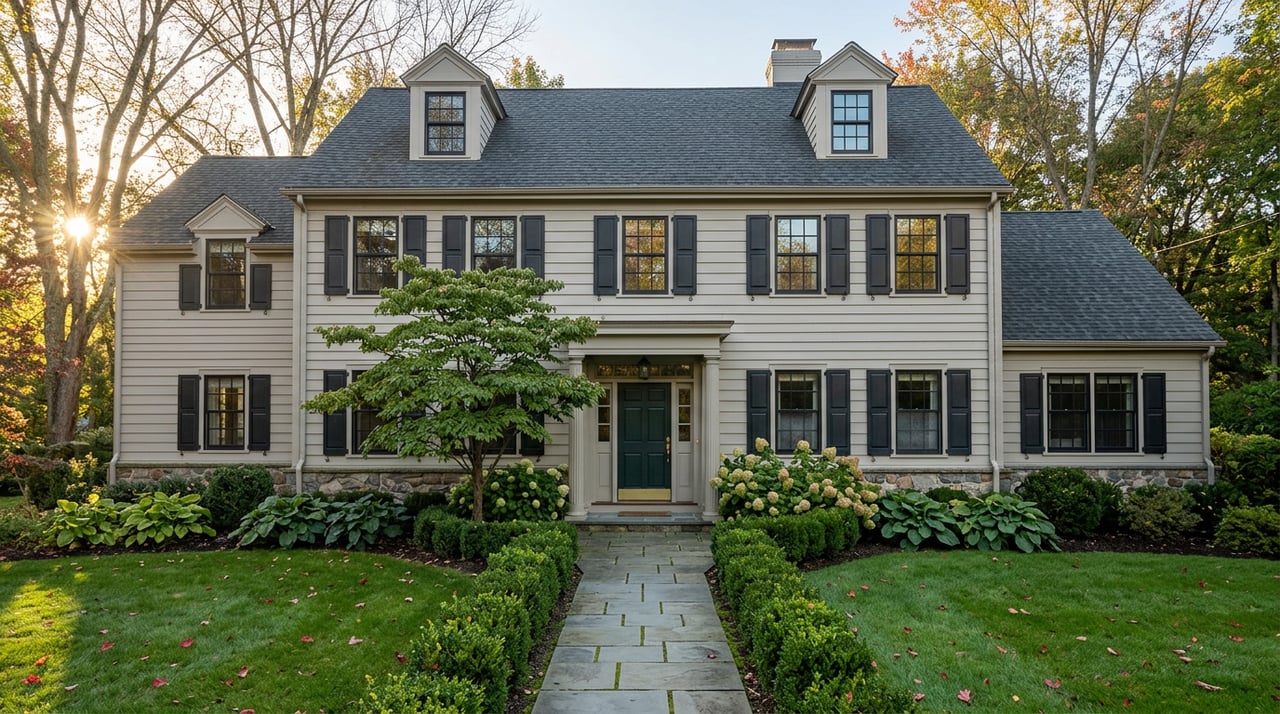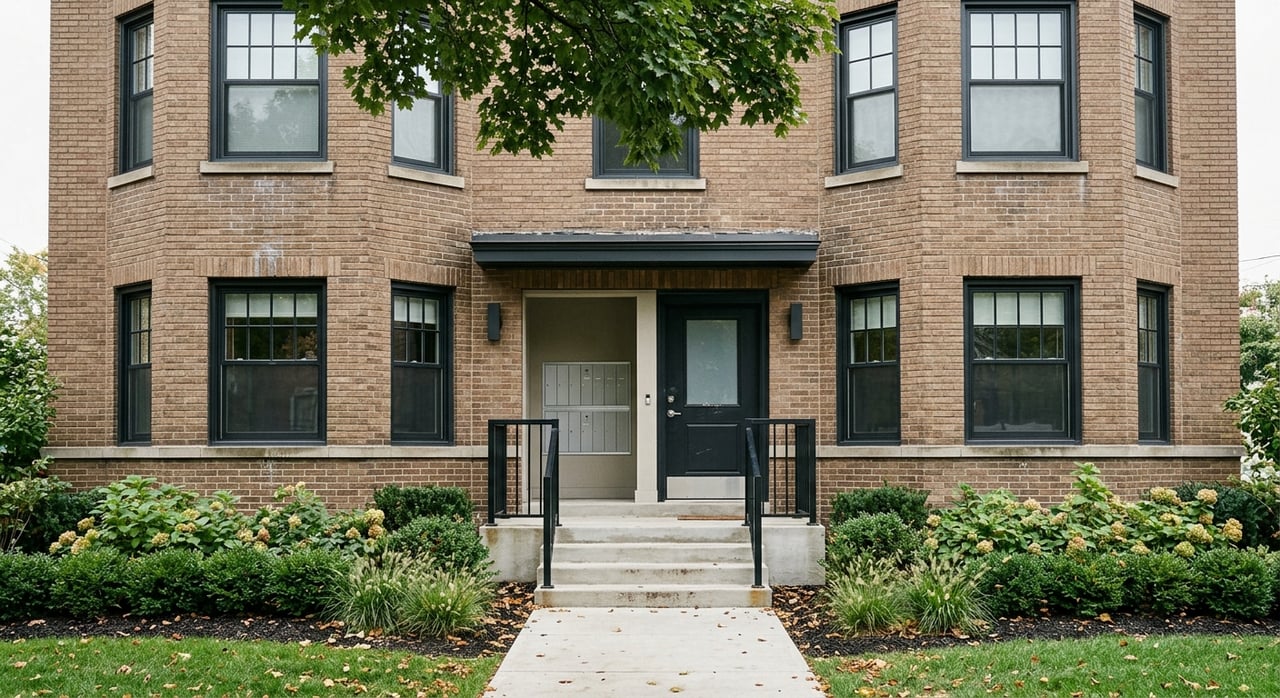
If you are looking for a North Jersey multifamily market with stronger cash-flow potential than some of the region’s highest-priced areas, Elizabeth deserves a close look. At the same time, this is not a market where you can rely on quick rent jumps or loose operations to carry the deal. When you understand the balance of yield, regulation, and renter demand, you can make smarter decisions and avoid expensive surprises. Let’s dive in.
Why Elizabeth draws multifamily investors
Elizabeth stands out because it combines steady renter demand with a location that connects to major job and transit hubs. The city points to the Port Newark-Elizabeth Marine Terminal, proximity to Newark Liberty International Airport, and two NJ Transit rail stations as major local advantages.
That matters because location tends to support rental demand over time. In a city with strong commuter access and ties to logistics and transportation jobs, multifamily housing can appeal to a broad pool of renters looking for practical access and relative affordability within North Jersey.
Census data also shows Elizabeth is a heavily renter-based market. The owner-occupied housing rate is 25.4%, which implies about 74.6% of homes are renter occupied. For investors, that creates a deep tenant base compared with markets where ownership dominates.
Elizabeth’s biggest reward: yield
The clearest reason investors look at Elizabeth multifamily properties is yield. Active apartment-building listings in Elizabeth have shown cap rates typically ranging from 6.39% to 8.46%, with one current marketed example at 7.81%.
Those are asking-market figures, not closed-sale averages, so they should be viewed as directional. Still, they suggest Elizabeth may offer a higher going-in return than many pricier North Jersey multifamily markets.
That contrast becomes clearer when you compare Elizabeth to nearby regional benchmarks. Northern New Jersey multifamily was reported at a 5.7% cap rate in 2025 for Newark and Hudson County, while Hudson County averaged 5.14% in early 2025 and 5.30% as of March 19, 2025.
In simple terms, Elizabeth can offer a more favorable entry yield than high-demand waterfront markets. If your goal is stronger day-one cash flow rather than paying top dollar for prestige pricing, that can be a meaningful advantage.
Rent levels support the story
Elizabeth’s renter profile also helps explain investor interest. Census QuickFacts lists median gross rent at $1,463, while current rental-market pages show a median advertised rent around $2,300 with 274 rentals listed.
That gap suggests older in-place rents may sit well below today’s asking market in some cases. For investors, this can point to mark-to-market potential, but only when unit condition, lease terms, and local rent rules support it.
You should also look at the broader county backdrop. Berkadia reported Union County effective rent at $2,390 and occupancy at 96.0% in mid-2024. That is a useful sign that the county overall has solid rental demand and relatively tight occupancy.
How Elizabeth compares with nearby markets
Elizabeth often sits between two different North Jersey investment stories. On one side, Jersey City tends to represent the appreciation and pricing-power end of the market. On the other, Newark often looks more like a cash-flow and value-add play.
Jersey City’s profile shows very low vacancy and strong long-term growth, but it also comes with a much higher pricing environment. Newark posted lower effective rent than many surrounding submarkets, along with more than 1,200 units entering lease-up since mid-2023, which suggests more new-supply competition.
Elizabeth falls into the middle. It may offer better current yield than Hudson waterfront assets, while still benefiting from North Jersey demand and county-level appreciation pressure. That middle-ground positioning is a big part of its appeal.
Who rents in Elizabeth
Understanding the tenant base is key before you buy. Census data shows Elizabeth has 2.93 persons per household and a median household income of $63,874.
That points to a market with many working households and a meaningful need for practical, budget-aware housing. It also suggests demand may be stronger for functional layouts and multiple-bedroom units than for luxury finishes alone.
The city’s access to transit, the port, and the airport likely broadens demand further. Many renters may be tied to commuting patterns or logistics and transportation employment, which can help support occupancy when the asset is well run and priced appropriately.
The biggest risk: rent control and compliance
Elizabeth’s biggest investment risk is not lack of demand. It is regulation. The city’s rent-control code, marked effective 12.12.24, materially affects how investors should underwrite many properties.
For covered dwellings, rent increases are capped at 3% over base rent. Landlords may not take more than one increase in any 12-month period, and 30 days’ notice is required before a rent increase.
This changes the math in a major way. In Elizabeth, you usually cannot count on aggressive annual rent growth to fix a mediocre deal after closing.
Instead, your returns often depend on buying well, managing expenses carefully, documenting rent rolls correctly, and improving operations in a compliant way. That makes Elizabeth less forgiving for investors who rely on optimistic pro formas.
Why small property details matter so much
Not every multifamily property is treated the same under Elizabeth’s rules. The exemption structure is especially important for buyers looking at smaller buildings.
According to the ordinance, 2-unit properties are exempt. So are 3-unit owner-occupied homes and 4-unit owner-occupied homes, while new construction is permanently exempt.
That means the same building size can lead to a very different investment picture depending on owner occupancy and property status. If you are evaluating a two-, three-, or four-family property, confirming the exact rent-control status is not optional.
Turnover can help, but only within limits
Lease turnover can create upside in Elizabeth, but the rules are specific. The city allows a vacancy increase of up to 20% of the prior 12 months’ base rent for the first year only, with board filing requirements and a limit of one vacancy increase per 12-month period.
That means turnover can improve revenue, but it is not a free-form reset to full market rent. If a deal only works because you assume rapid, unrestricted mark-to-market increases, you may be setting yourself up for disappointment.
A better approach is to underwrite conservative rent growth and treat vacancy increases as rule-based opportunities, not guaranteed shortcuts. In this market, precision matters.
New Jersey landlord rules add more obligations
Beyond city rent control, New Jersey adds several landlord requirements that affect operations. Landlords must distribute the Truth in Renting guide, follow flood-risk notice requirements that began March 20, 2024, and comply with security-deposit rules.
Security deposits are capped at 1.5 months’ rent and must be kept in an interest-bearing account. These may sound like administrative details, but they can create avoidable issues if they are not handled correctly from day one.
New Jersey law also prohibits discrimination based on source of lawful income, including Housing Choice Voucher assistance. In practice, that means your screening standards must be applied consistently and lawfully across applicants.
One unusual Elizabeth rule investors should know
Elizabeth has a tax-appeal sharing rule that can affect your numbers. If a landlord wins a property-tax reduction, tenants receive 50% of that reduction, paid over 12 monthly installments.
This is easy to miss if you are used to underwriting in towns without a similar requirement. In a region where property taxes can be a major operating expense, this rule deserves attention during due diligence.
It does not mean tax appeals are pointless. It means you need to understand how the savings are shared before you count on the full benefit flowing to your bottom line.
What a strong Elizabeth deal looks like
The best Elizabeth multifamily opportunities are usually not the flashiest ones. Strong deals tend to have clear rent-roll documentation, confirmed rent-control status, manageable repair needs, and a realistic path to better operations.
You should pay close attention to current lease terms, notice history, registration requirements, and whether the building’s unit mix matches local renter demand. In this market, paperwork and compliance are part of the asset value.
Buildings that depend on rapid rent resets alone are often the riskiest. Buildings with stable occupancy, clean records, and room for modest, lawful improvement are usually better aligned with how Elizabeth actually works.
Is Elizabeth right for your investment goals?
Elizabeth can make sense if you want a multifamily investment with stronger yield potential than some nearby North Jersey markets. It can also fit buyers who are comfortable with a more hands-on underwriting process and a rules-based operating environment.
It may be less appealing if your strategy depends on fast rent growth, minimal regulation, or a highly simplified management model. Elizabeth offers opportunity, but it rewards discipline more than speculation.
If you are weighing multifamily options in North Jersey, the real question is not whether Elizabeth has upside. It is whether the specific property makes sense once you account for rent control, tenant demand, and the actual operating rules.
If you want local guidance as you evaluate North Jersey real estate opportunities, Links NJ brings a thoughtful, high-touch approach backed by deep market knowledge across the region.
FAQs
What makes Elizabeth attractive for multifamily investing?
- Elizabeth offers a heavily renter-based market, access to major transit and job hubs, and marketed cap rates that may be higher than some other North Jersey submarkets.
How does rent control affect Elizabeth multifamily properties?
- For covered dwellings, Elizabeth caps rent increases at 3% over base rent, limits increases to one in a 12-month period, and requires notice and compliance steps that directly affect underwriting.
Are all Elizabeth multifamily buildings subject to rent control?
- No. The ordinance states that 2-unit properties are exempt, as are 3-unit owner-occupied homes, 4-unit owner-occupied homes, and new construction.
Can you raise rent to market rate after a tenant moves out in Elizabeth?
- Not freely. Elizabeth allows a vacancy increase of up to 20% of the prior 12 months’ base rent for the first year only, subject to filing requirements and timing limits.
What should buyers review before buying an Elizabeth multifamily property?
- You should review rent rolls, lease terms, rent-control status, registration compliance, notice history, repair needs, and local operating rules before finalizing the purchase.